A broad region needs a narrow plan
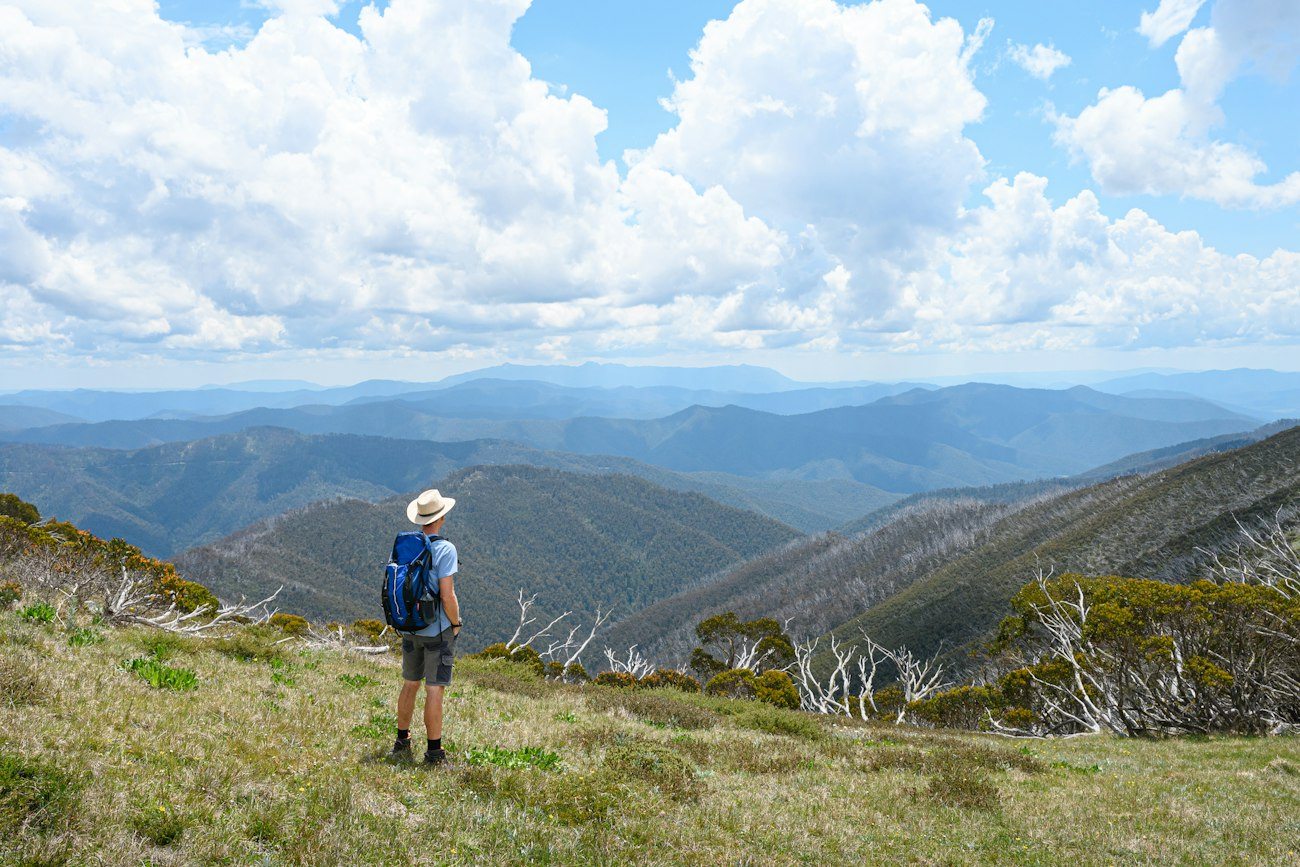
Victoria's High Country covers much more than the mountains visible in a holiday photograph. Towns, wine areas, valleys and alpine roads create different trips. A short stay becomes easier when you choose one base and one main reason for visiting: cycling, food, walking, snow activities or simply a few nights away from the city.
Bright can support a town-and-valley break, while other parts of the region suit different arrival routes and interests. Do not select a property solely because it carries the High Country label. Map the places you actually want to visit and compare the travel from each possible base.
Let the season decide the scale
A summer walking plan and a winter mountain visit involve different access, equipment and booking considerations. Even in a milder season, high elevations can feel much colder than the valley. Check the forecast and road conditions for the exact destination, not only the nearest town.
If snow activities are the purpose, organise the resort-specific arrangements before leaving. If you mainly want cafés, produce and scenery, you do not have to climb into alpine terrain at all. A valley-based holiday has its own appeal and is often easier for groups with different outdoor abilities.
Build a three-night stay around one full outing
Use arrival day to settle in, buy supplies and walk locally. On the first full day, take the outing that matters most, whether that is a cycle route, a booked food experience or a walk. Keep the following day less structured so weather or tiredness can change the plan without disrupting every reservation.
This approach also avoids repeatedly unpacking. Moving from one town to another each night may look efficient on a map, but checkout, luggage and arrival procedures take time. If the places you want are within a sensible day-trip radius, keep the same bed for the short stay.
Food and cycling deserve realistic timing
For a food-focused visit, select one substantial meal or producer visit rather than creating a continuous tasting circuit. Check opening days, especially midweek, and arrange transport if alcohol is involved. Rural distances are not well judged by the number of map pins between them.
For cycling, select a route by surface, gradient and return logistics. A rail trail section and a mountain-bike trail require different bikes and experience. Tell a hire provider what your group can comfortably do and ask about current conditions. Carry water and leave room for a slow rider rather than setting the pace by the most confident person.
Know when not to add the scenic road
A named alpine drive can be a highlight when you have time, suitable conditions and an appropriate vehicle. It can also turn a relaxed final day into a long sequence of bends. Do not add it simply because it provides a different way home. Compare the total distance, likely stops and daylight with the direct route.
If weather closes in, choose a lower outing or stay in town. The mountains will not become more visible because you continue climbing into cloud. A flexible day with a café, a gallery or a short river walk can be more satisfying than an uncomfortable drive undertaken to preserve a plan.
Leave with one place still on the list
A first High Country stay should help you discover which kind of return trip you would enjoy. You may decide the next visit deserves more cycling, a different valley or a dedicated alpine walk. That is a better result than trying every activity once while spending most of the holiday travelling between them.
Keep departure morning close to your base and leave a comfortable road margin. A regional break feels longer when it includes ordinary unhurried hours, not only the advertised highlights.