Make this a three-day journey, not three busy day trips
The Great Ocean Road is easier to enjoy when you treat the drive as part of the holiday. A three-day trip from Melbourne can give you time for beach towns, forest scenery and the coast around the Twelve Apostles. It is still a moving itinerary, so select a few stops that matter rather than trying to visit every viewpoint.
A useful structure is a first night around Apollo Bay and a second around Port Campbell, followed by an inland return toward Melbourne. These are planning suggestions, not a promise that every attraction will fit. Your starting address, weather, road conditions and walking pace all affect the day. Avoid attaching a tightly timed flight to the end of the final drive.
Day one: reach the coast and slow down
Leave Melbourne with enough daylight ahead to enjoy the coastal section. Torquay provides a natural introduction to the surf coast, but a lengthy stop there means choosing fewer places farther west. Think in terms of one longer break and a couple of short stops instead of repeatedly parking for ten minutes.
The road through the Lorne area follows a winding coastline. Let the driver concentrate on the road and use designated stopping places for views. A map estimate measures movement, not the time spent finding parking, ordering lunch or walking down to the water. If you are travelling with children, a relaxed town stop may add more to the day than another lookout.
Continue toward Apollo Bay for the night if that is your chosen base. Arriving before dinner gives you time to check in and take a short foreshore walk. For accommodation away from the centre, confirm how you will reach food in the evening. A scenic property can be appealing, but an additional drive after a long travel day may not suit your group.
Day two: choose between forest time and extra coastal stops
West of Apollo Bay, the journey includes inland forested country before reaching the limestone coast. Decide in advance whether this is your day for a substantial forest detour or for several coastal viewpoints. Giving both equal priority can turn the afternoon into a rush.
If you want a walk, choose one after checking its current access, length and terrain with the relevant park authority. A short route can still involve steps, slippery surfaces or exposed sections. Plan the walking time alongside the drive rather than adding it after you have already filled the day.
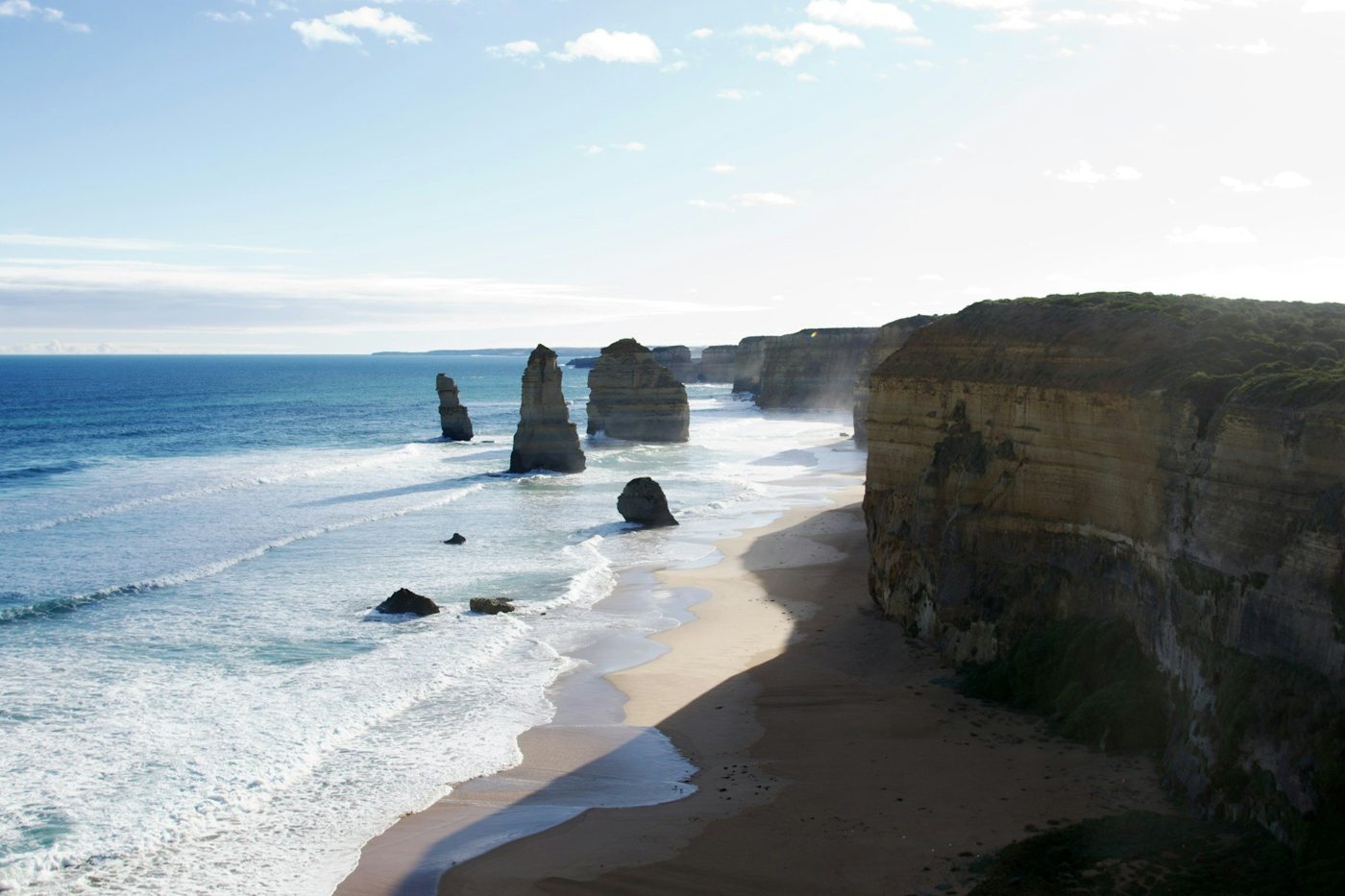
The Twelve Apostles area deserves space in the itinerary. Allow time to park, follow the signed access routes and experience the coast without assuming that one photograph completes the visit. Wind and visibility can change what the stop feels like. Stay within designated areas and use current on-site advice when deciding which paths to take.
Port Campbell makes a useful second-night base because it keeps you near this part of the coast. Staying nearby also gives you another opportunity to visit a viewpoint if conditions were poor earlier. Check-in and an ordinary meal are legitimate parts of a road trip; you do not need to keep adding destinations until dark.
Day three: one final coastal stop, then the return
Use the morning for a nearby place you genuinely want to see rather than driving a long way farther west by default. If a particular lookout was missed the previous day, this is a chance to return while keeping the rest of the schedule simple.
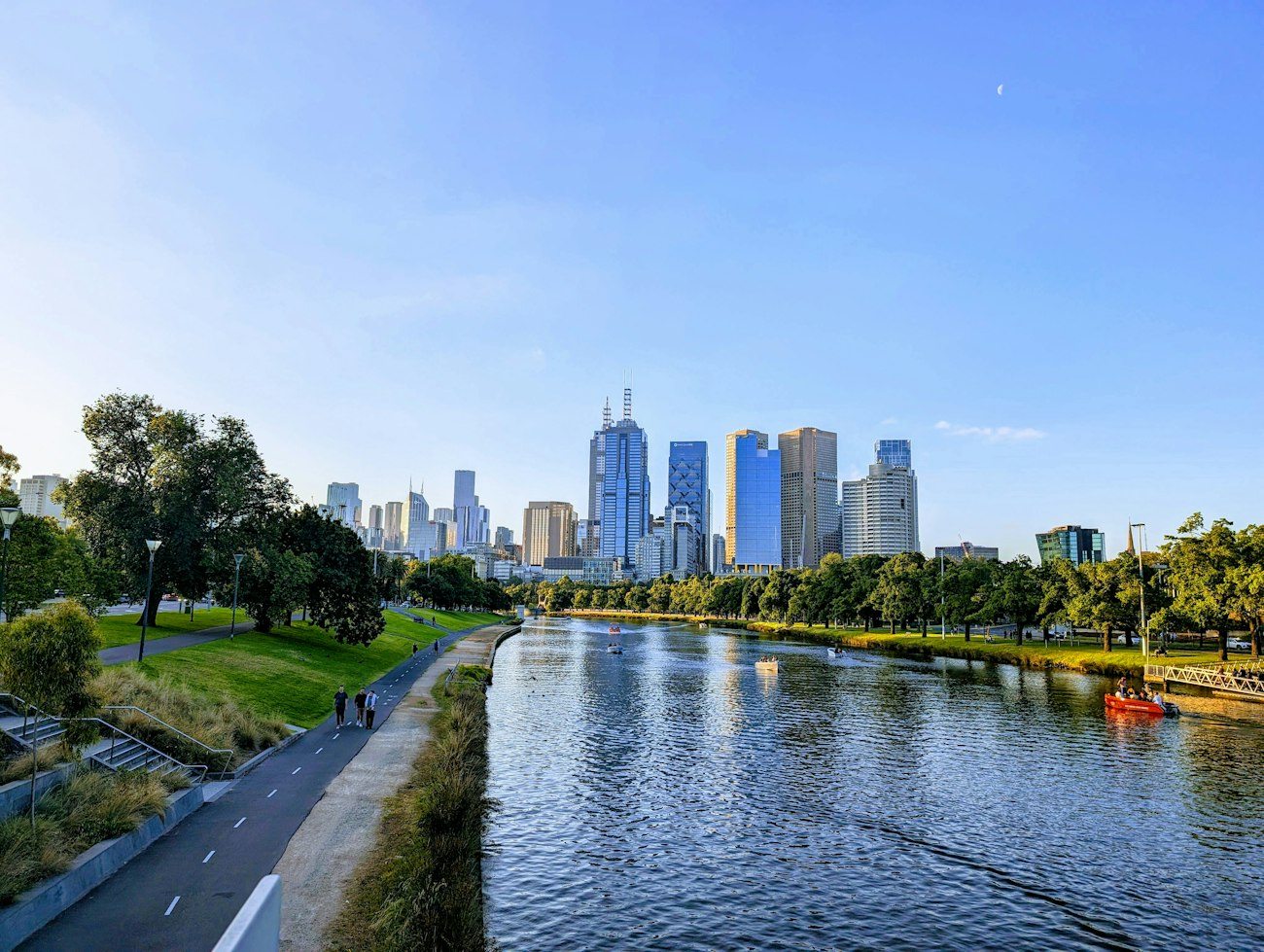
An inland route back toward Melbourne avoids retracing the whole winding coastal section. Choose the route using current road information, and include a proper break. If returning a rental car, allow time for fuel, unloading and the handover procedure. A city arrival time should include those tasks as well as the drive itself.
Adapt the route to your travelling style
For a family trip, keep the two-night structure but reduce the number of stops. Look for accommodation where you can deal with breakfast easily and dry damp clothing. Travellers who enjoy walking might spend more time in one area and skip a town visit. Photographers may prefer flexibility around the coastal viewpoints, but should still plan for changing weather rather than expecting a particular sunset.
If you have only two days, do not simply compress all three days into longer driving sessions. Remove a section or accept fewer stops. With four or five days, an extra night in one base can create a much calmer trip than moving accommodation every morning.
Before you leave Melbourne
Check road and park alerts, reserve the overnight accommodation and save the addresses offline. Carry layers for exposed coastal stops, even if the city forecast looks pleasant. Put useful items where you can reach them without unpacking the whole boot at each stop.
Treat this itinerary as a framework that can be shortened during the trip. If rain, fatigue or a slower lunch changes the day, drop an optional stop and arrive comfortably. A successful coastal drive leaves room to notice where you are, rather than making each town another deadline.