Set up the first morning
Melbourne rewards walking because the interest is often between the major attractions: an arcade, a small shop, a café or a change in the streetscape. Three days are enough for a satisfying introduction if you resist adding a long regional excursion. Keep the Great Ocean Road or a winery day for extra time rather than taking a third of the city stay away.
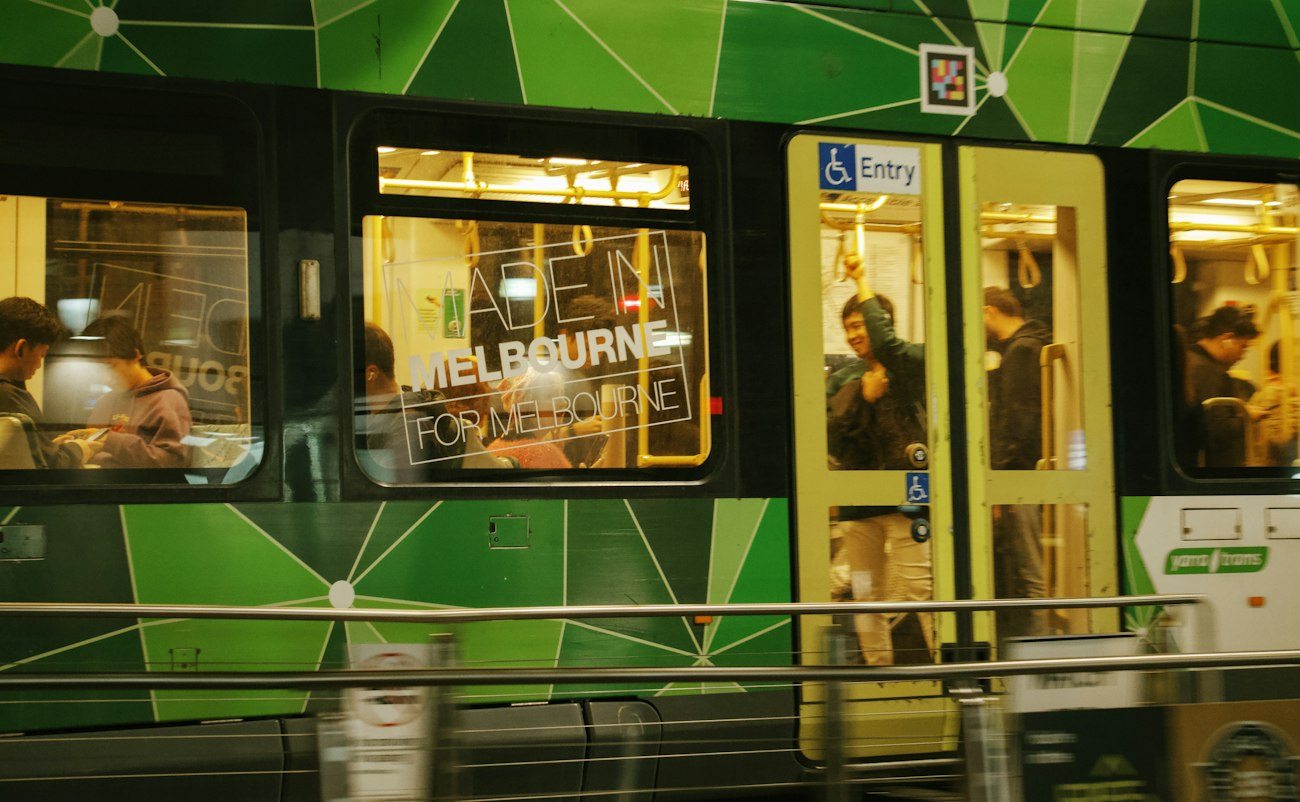
Before arriving, locate your accommodation, arrival stop and one nearby breakfast option. Check the current transport planner and ticket arrangements. The Free Tram Zone applies to a defined central area, not every tram journey that begins there. Walking a short distance can also be quicker than waiting for a tram when the destination is only a few blocks away.
First day: learn the central grid
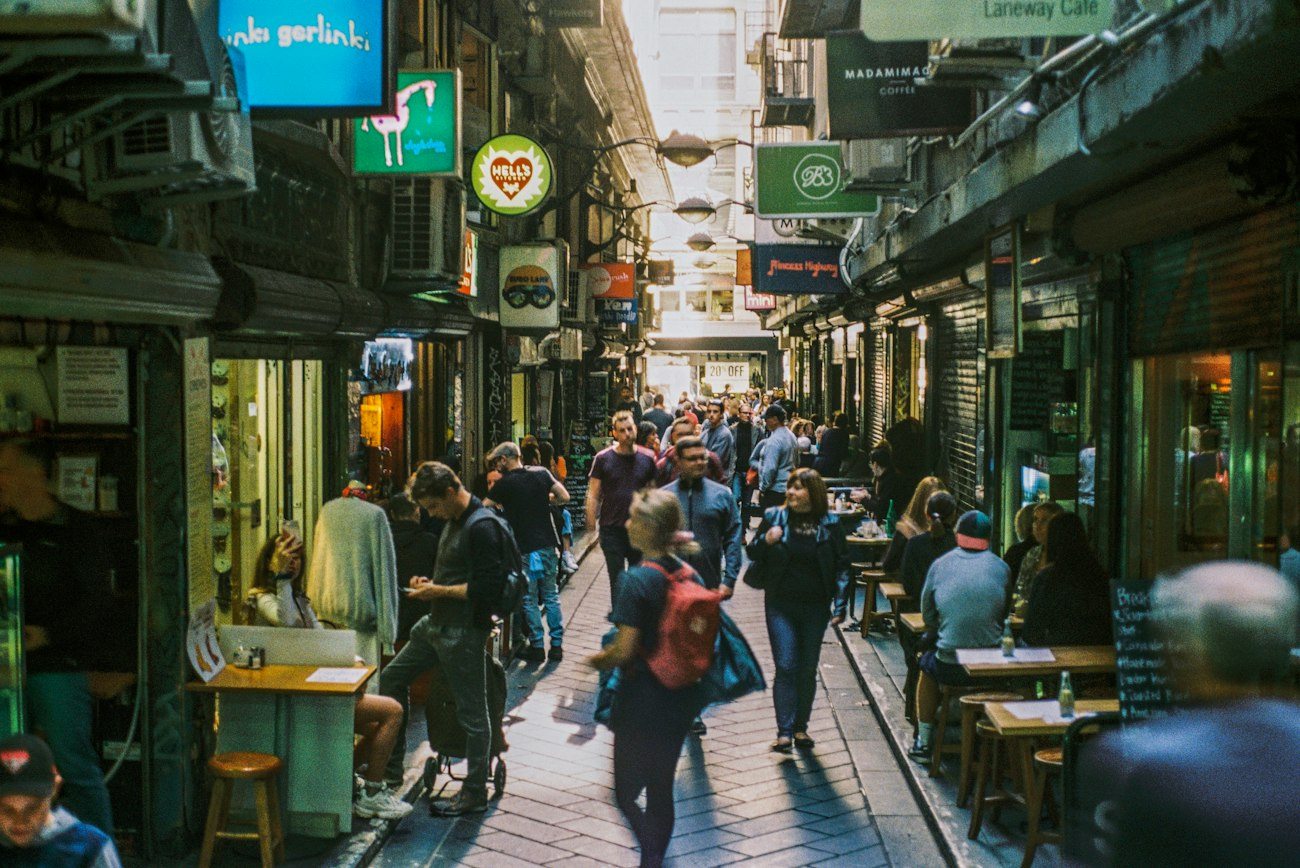
Begin near Flinders Street and Federation Square, then explore a small group of central laneways and arcades. Follow your interests rather than aiming to photograph every named alley. If you find a shop or café you enjoy, stop; the itinerary should create opportunities for those pauses, not prevent them.
Move towards the central retail streets or Chinatown for lunch, depending on what appeals. Allow time to read menus rather than choosing solely from a queue. For the afternoon, select a gallery, exhibition or another short walk within the centre. Keep the first evening close to your accommodation if you have arrived after a long flight.
When walking in laneways, remember that some are working access routes for businesses. Stand aside to take photographs and do not block doorways or delivery vehicles. Street art can change, so the pleasure is seeing what is there rather than matching an old image exactly.
Second day: art, the river and gardens
Use the second morning for a substantial indoor visit in or around the arts precinct. Choose the exhibition or collection that interests you and check whether a timed ticket is needed. Spending two attentive hours in one place usually provides more than moving quickly through several buildings.
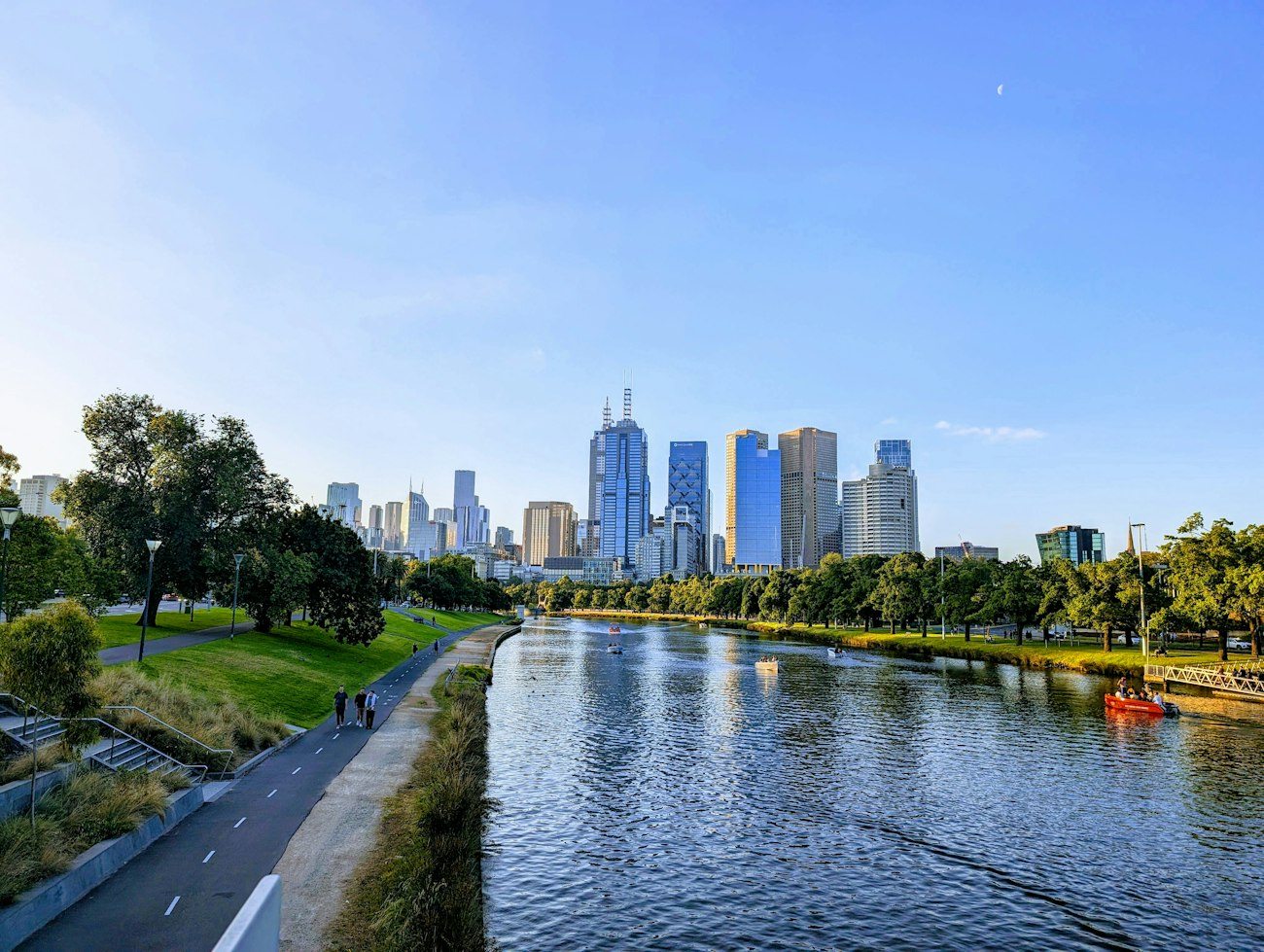
Follow with lunch and a Yarra-side walk. If the weather is comfortable, extend into a garden outing; if it is wet, shorten the walk and leave more time for the indoor visit. Keep distances honest. A route that looks compact on a central map can still become tiring after a morning standing in galleries.
An evening performance can work well on this day, but arrange dinner around its start time and venue. Avoid crossing the whole city between eating and taking your seat. If no performance appeals, use the evening for a meal in a neighbourhood you can reach easily from your base.
Third day: choose one direction
Head north for a neighbourhood-focused day around Carlton or Fitzroy, or south to St Kilda for a bayside outing. Pick the setting that contrasts most with your first two days. North can mean cafés, shops and local streets; St Kilda gives you the foreshore and a different pace from the central grid.
Check the tram route and payment requirements before boarding. For a return journey after dinner, note the direction and stop rather than relying on recognising the arrival location in the dark. If you are leaving Melbourne that afternoon, choose a shorter outing and keep luggage retrieval near the departure route.
Make small adjustments instead of rebuilding
If rain falls on the planned bayside day, exchange it with an indoor morning. If a market is important, check its operating days before assigning it to the itinerary. Keep one meal and one afternoon unbooked so you can respond to something you discover.
Three days should not require three dawn starts. Leave ordinary time for laundry, a slow breakfast and returning to your room. Melbourne's appeal is not limited to a set of sights; a plan with space between them lets the city's food, streets and neighbourhoods become part of the visit.