Count usable days rather than hotel nights
An overnight Great Ocean Road trip can mean leaving Melbourne at breakfast or after a full day in the city. Those are very different itineraries. Before selecting a town, write down your real departure time, where you need to be at the end and whether you are returning inland or continuing west.
The coastal route is winding and full of reasons to stop. Navigation time does not include parking, walking to a lookout, lunch or waiting for a photograph. Choose the overnight point to make both days comfortable. A late arrival at a distant town followed by an early departure is rarely a good exchange for seeing more names on the map.
Lorne for a shorter coastal introduction
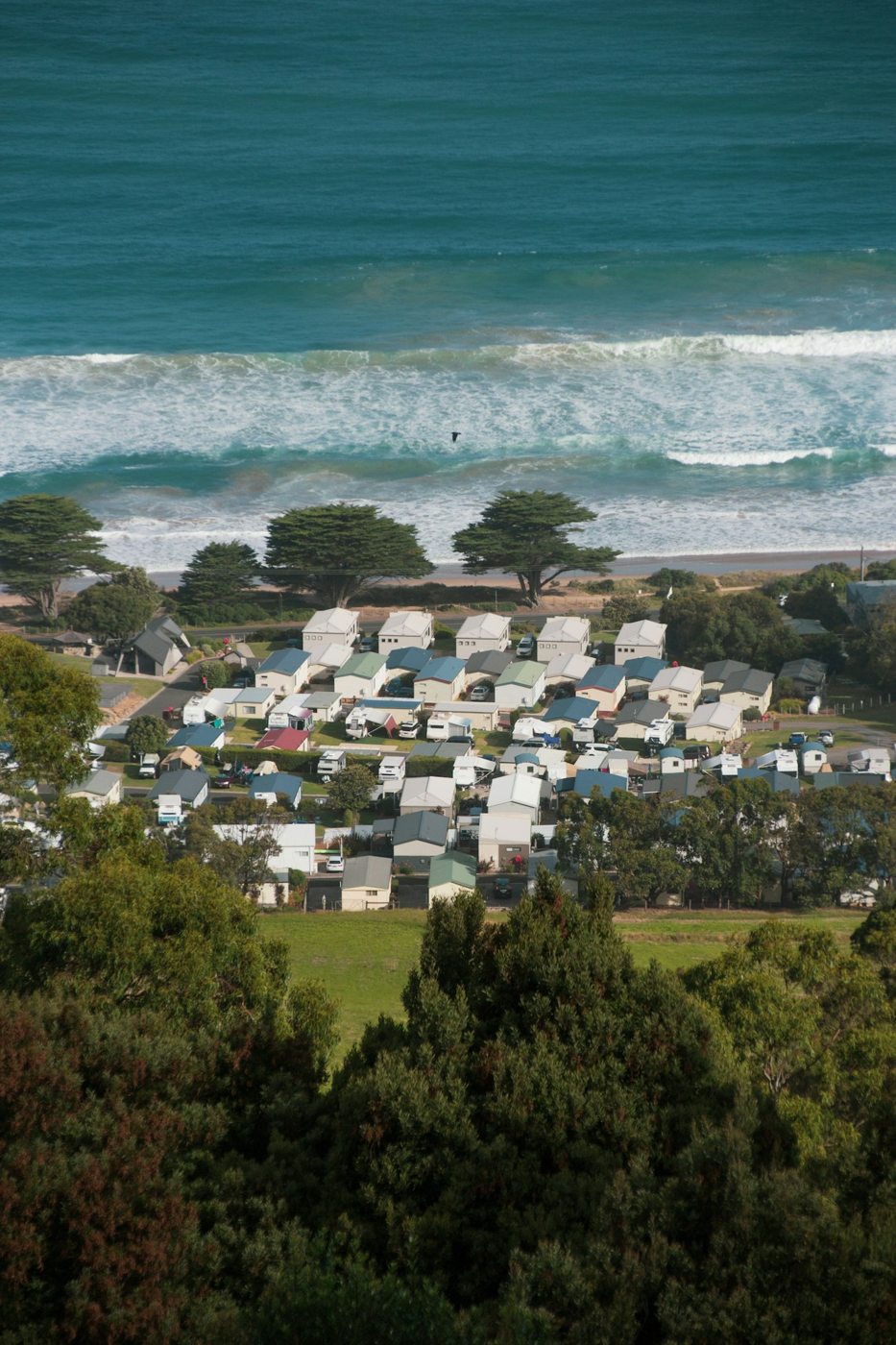
Lorne makes sense when the beach-town part of the journey is the priority or you have only a partial first day. It allows more time around the eastern stretch of the coast and less pressure to cover the whole road. You can enjoy a walk and dinner without making the day's success depend on reaching the Twelve Apostles.
The tradeoff is that the famous limestone coast remains farther west. If seeing it is essential, calculate the next day's driving and return carefully before booking. A convenient first night can create an overly long second day if the route is not considered as a whole.
Apollo Bay as a middle choice
Apollo Bay is useful for a trip that values both the ocean road and the Otways. It puts a town stop between the eastern coastal drive and the inland forest section farther west. A central property can make dinner and breakfast easy, which matters when most of the day has been spent travelling.
Choose one forest outing rather than adding every waterfall or side road. The Otways are not a single stop beside the highway; a detour can involve winding roads and a walk at the end. Confirm access and decide how it fits before leaving town. If the weather is poor, the extra time in Apollo Bay can become a slower breakfast rather than a lost opportunity.
Port Campbell for the western coast
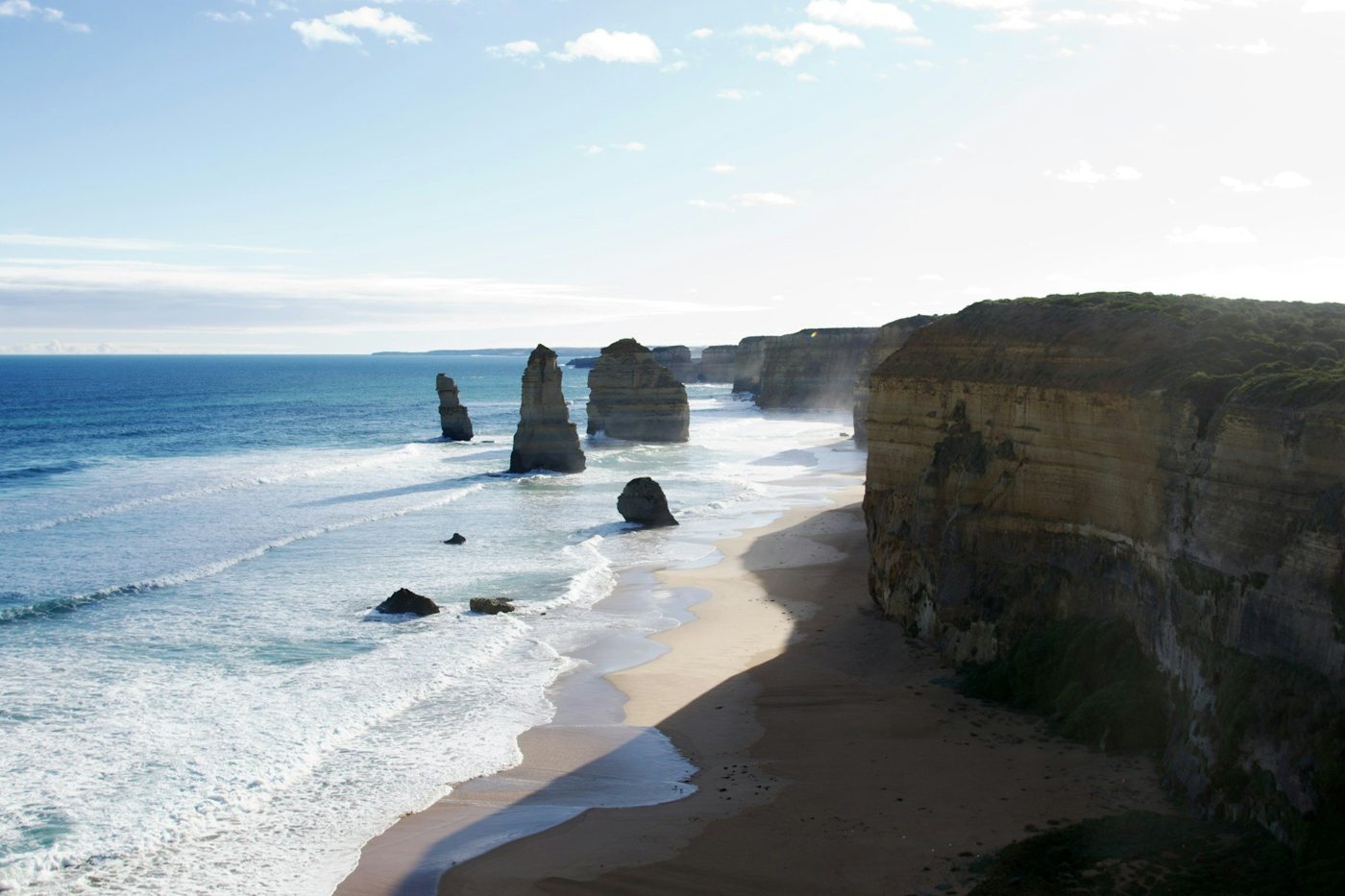
Port Campbell is a useful base when the Twelve Apostles and nearby coastal formations are the main focus. Staying nearby lets you visit without the pressure of a same-evening return to Melbourne. It can also provide flexibility to try a different time of day if the first visit is busy or weather obscures the view.
Reaching Port Campbell on the first day through the full coastal route requires an early enough start and selective stops. Do not add a major rainforest detour, a long lunch and several beach visits while retaining an optimistic arrival time. If you want all of those experiences, another night is the honest solution.
One night or two?
With one night, choose the town according to the single experience you most want. For a coast-and-forest trip, Apollo Bay may provide balance. For a limestone-coast visit, Port Campbell makes the next morning easier. Neither option means every section of the road can be explored at leisure.
Two nights allow an eastern or central stop and a western stop, reducing backtracking. They also create a useful weather margin. Avoid moving accommodation for the sake of moving, though: if your interests are concentrated around one area, two nights in the same place can be more restful than packing again.
Check the details that affect the evening
Confirm late arrival, parking and dinner options for your actual day. Small-town kitchens and shops may close earlier than you expect from a city. If you plan to photograph sunset, arrange food beforehand and consider the return drive after dark.
Keep fuel and rest breaks in the schedule, and check official road and site updates before departure. Follow barriers and designated viewpoints along the coast. The right overnight stop gives you time to get out of the car and feel the place; it should not merely divide an exhausting total distance into two parts.