Two cities do not define the road trip
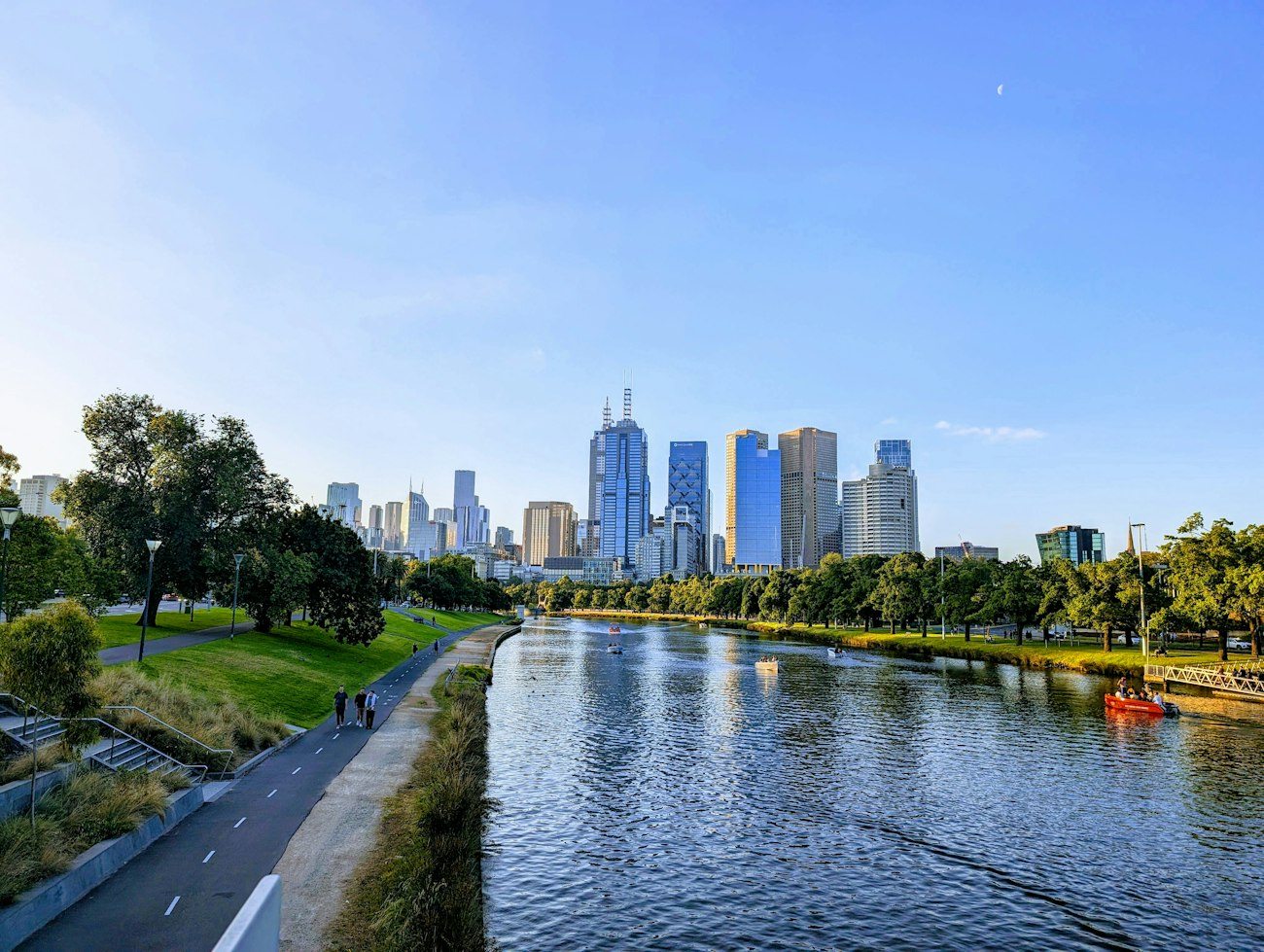
Melbourne to Adelaide can be a transfer or a multi-day journey through several regions. The coastal version is much longer in experience than a line between the two cities suggests. Before reserving hotels, decide how many full driving days you actually have and whether the Great Ocean Road is essential.
If time is short, a more direct inland journey with a proper overnight break may suit you better. If the coast is the reason for travelling, allow several nights and accept that you will not explore every town. The following outline is a suggested framework, not a promise that a particular daily distance will suit every driver.
First stage: Melbourne to the Great Ocean Road
Use the opening stage for the eastern coastal road and an overnight around Apollo Bay, or stop earlier if leaving Melbourne late. Choose one beach-town meal and one scenic stop rather than filling the day with every viewpoint. The winding road takes attention, so share driving only with an authorised, comfortable driver.
Collecting a rental car and leaving a city hotel can consume the morning. If that is your situation, do not plan the first day as though you were already on the coast at sunrise. Check luggage storage and car pickup logistics, and make dinner at the overnight town the only fixed evening commitment.
Second stage: forest and limestone coast
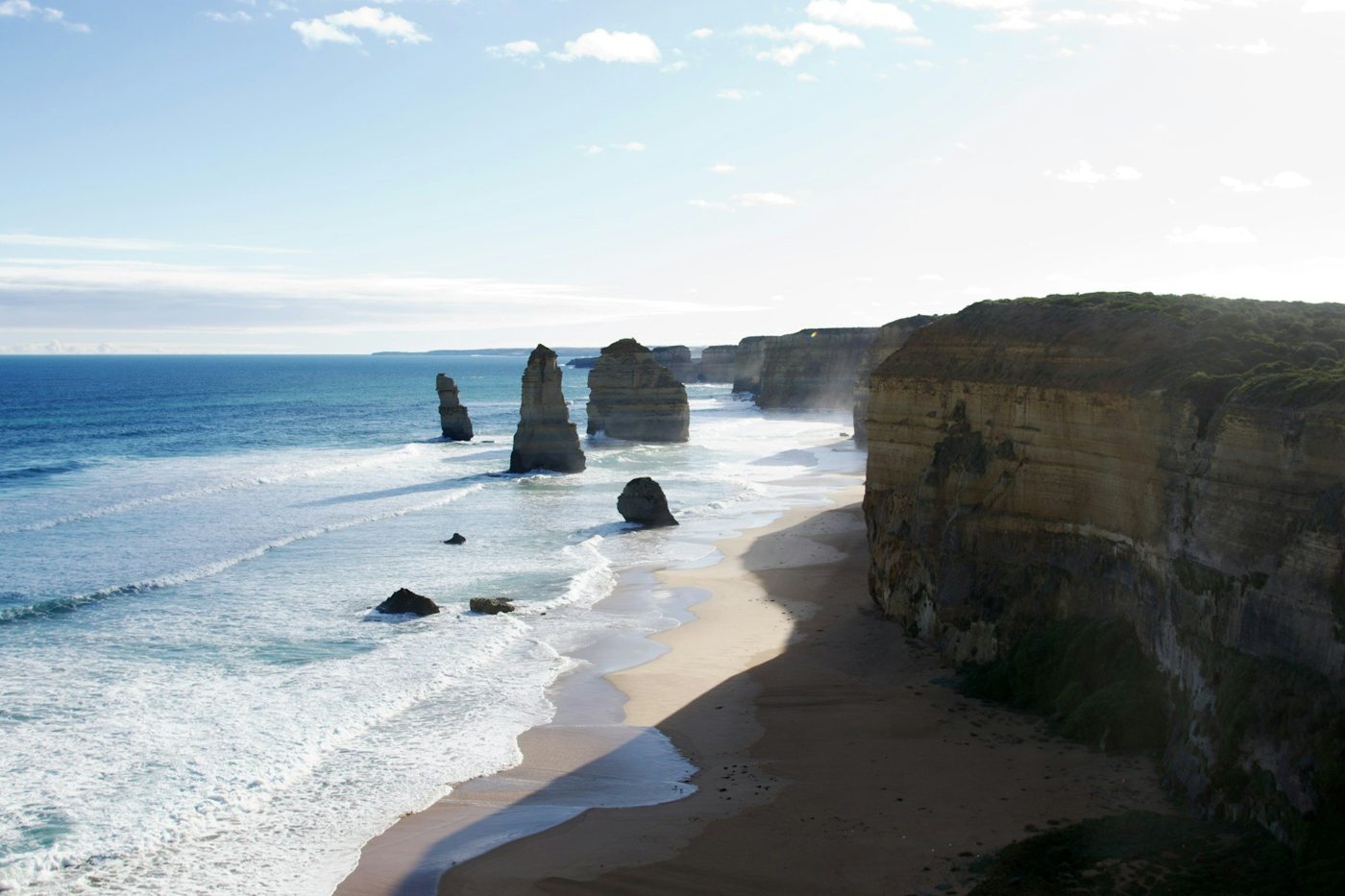
From the central Great Ocean Road, choose an Otways outing if conditions and time allow, then continue towards the Twelve Apostles and Port Campbell. A forest walk is a substantial stop, not a short roadside pause. If the limestone coast is the priority, reduce the detour and give the viewpoints more time.
Stay around Port Campbell or continue only as far as a comfortable nearby overnight point. The advantage of sleeping in the western part of the route is flexibility: you can visit a coastal viewpoint at a quieter time without following it with a long return drive. Check current site access because paths and steps can change after weather damage or maintenance.
Third stage: move west without collecting every town
The coast beyond the Great Ocean Road includes towns that deserve more than a fuel stop. Choose one for lunch and a walk, then head towards the Limestone Coast in South Australia. If you are interested in history, food or a particular coastal setting, let that determine the overnight point rather than choosing purely by distance.
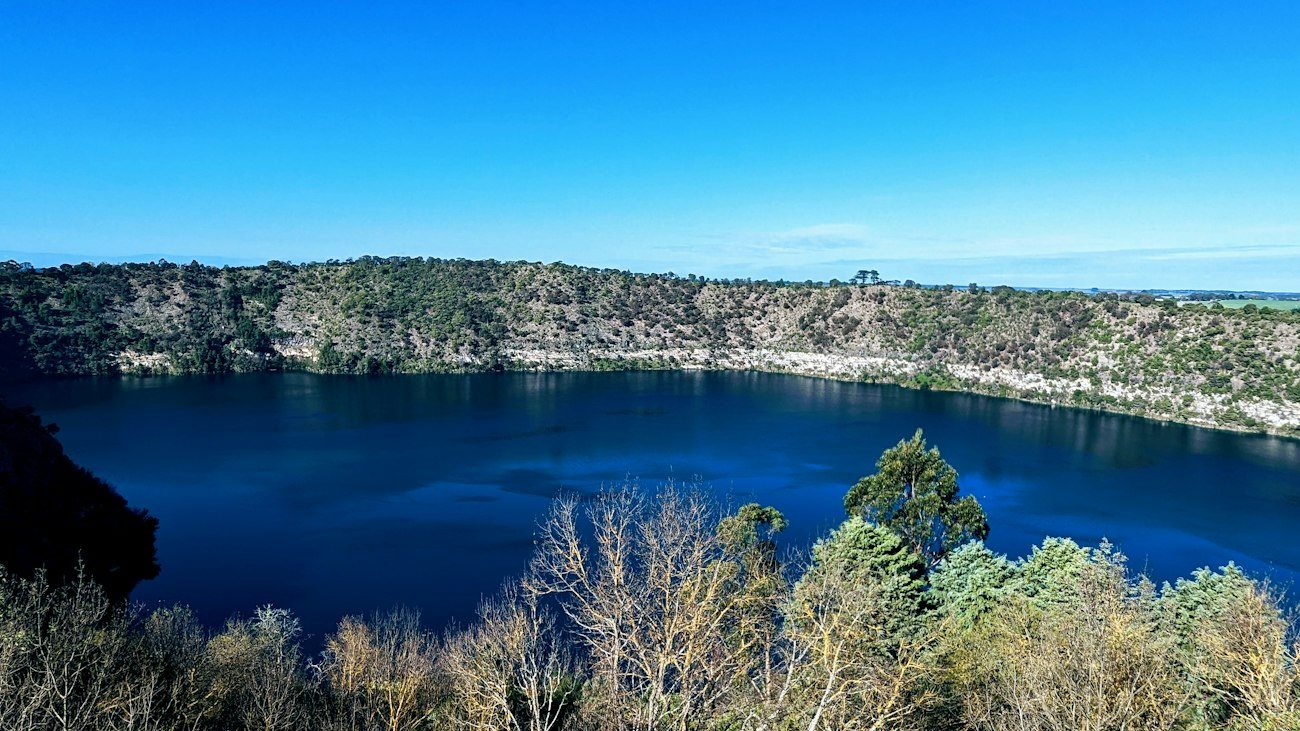
Mount Gambier can provide an inland base for the region, while a coastal town creates a different stay. These choices are not interchangeable: compare the next day's route before booking. You do not need to visit both a major inland centre and every coastal village on the same afternoon.
Fourth stage and any extra nights
Use another night in the Limestone Coast if you want to explore it rather than simply pass through. A short walk, a local attraction and a meal can fill a day pleasantly. Check current conditions and opening information for natural attractions, and avoid adding a cave tour or long walk without allowing the time it requires.
Continue towards Adelaide with a realistic rest plan. If a particular region on the approach interests you, add a night instead of squeezing it into the final driving day. Arriving tired at a city accommodation after a long series of stops is not a good finish to an otherwise relaxed trip.
Rental and packing decisions
Confirm that the rental booking allows your intended one-way journey and check the full return location, fee and opening hours. A city-centre return and an airport return produce different arrival plans. Carry an offline map, charging cable, water and accessible snacks so each rest stop does not require unpacking the car.
Keep essential overnight items in a small bag separate from the main luggage. That makes repeated check-ins easier and reduces the temptation to leave valuable belongings visible in the vehicle. Book accommodation with practical parking if you are carrying a full road-trip load.
Cut a region before cutting rest
If the itinerary feels too long, remove a section or add a day. Do not solve the problem by shortening every break and driving into the night. The best route is the one that leaves enough time to enjoy the places you have chosen. A smaller, coherent journey will be more memorable than a complete coastline seen mainly through the windscreen.