Two days need a selected route
The Atherton Tablelands spread across a large inland area, with different routes up from the coast. A two-day visit is enough for a satisfying introduction if you choose a compact group of places. Decide where you will arrive from and where you will continue afterwards before selecting the overnight town.
Atherton, Yungaburra and other Tablelands towns support different routes. Choose the base that reduces backtracking between your priorities, rather than picking a room first and adding attractions around it later. Check the actual address and dinner options, especially for a rural stay.
First day: forest and water landscapes
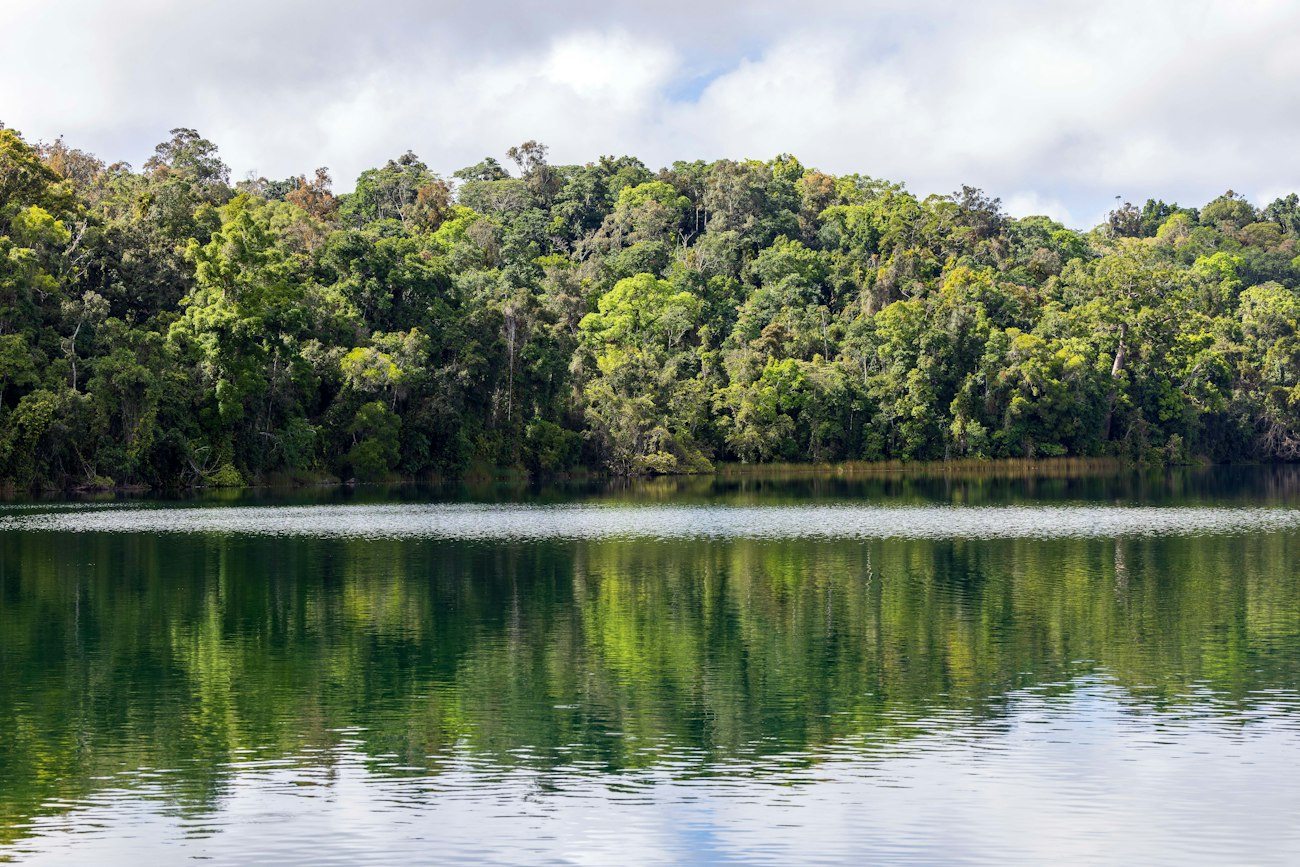
Build the first day around a lake or waterfall area and one suitable walk. Lake Eacham and the country around Yungaburra offer a different setting from the waterfall circuit farther south. Do not assume they can all be enjoyed as brief stops on the same continuous route.
If choosing waterfalls, select a small number and read the access information for each. A roadside viewpoint and a walk down to a waterfall involve different time and effort. Wear shoes with grip and keep behind barriers; rain can change the conditions quickly. Swimming should follow current local advice, not a photograph of someone else in the water.
Leave time for lunch in a town instead of relying on finding food beside a natural attraction. A picnic can be useful, but take all rubbish away and do not feed wildlife. The Tablelands reward time out of the car, so reduce the number of stops if you find yourself continually checking the next driving estimate.
Make the overnight stay useful
Arrive early enough to walk locally and enjoy dinner. If wildlife watching interests you, choose an appropriate guided or designated viewing opportunity and keep expectations modest. Animals do not appear on a timetable, and quiet time is more useful than moving rapidly between several supposed hotspots.
Bring a layer for the cooler inland evening and check whether the room has the facilities you need. After a humid coast stay, the change in setting may be part of the appeal. A second-night extension can make sense if you want several walks, but two days should not require changing accommodation.
Second day: towns and produce
Use the next morning for a different emphasis: a town browse, a producer visit or another short landscape stop. Check current opening days before planning around a particular farm, café or tasting experience. Rural businesses may not operate on the same schedule as a city attraction.
If you are interested in coffee, dairy or other local produce, choose one place where you can spend time learning or tasting rather than making a shopping circuit. Keep the amount you buy appropriate to the storage available in your vehicle and accommodation. A long drive with perishable food needs practical planning.
Choose the descent with care
The route back to the coast may involve winding roads, so leave enough daylight and energy for it. Do not schedule the final walk to finish at the last possible moment before an airport connection. If someone is uncomfortable on bends, a slower departure and fewer stops can make the journey easier.
Check current road conditions before choosing a loop. Heavy rain may affect access, and a scenic alternative is not automatically suitable for your vehicle. Keep fuel, water and an offline map available, particularly if the route extends beyond the main towns.
What to leave for another visit
Trying to combine every crater lake, waterfall, historic village and food producer creates a driving marathon. Choose the places that give different experiences rather than several examples of the same thing. One forest walk, one water landscape, a town and a producer can make two varied days.
The overnight stop is what changes the trip from a hurried excursion into a short inland stay. Use that extra evening and morning instead of filling them with more mileage. You will leave with a better sense of the Tablelands and a clearer idea of where you would return.