Decide what success looks like
A Great Barrier Reef day is not a single standard product. Some visitors want as much snorkelling time as possible; others want an introduction with guidance, dry viewing options or an island to explore. Discuss this before comparing prices. The best trip for a confident swimmer may not suit someone who mainly wants to see marine life without entering open water.
Start with the departure base and available full days. A long transfer to the marina can make an already early start harder. Avoid scheduling the reef trip immediately after a late flight, and leave another suitable day in the stay if flexibility is important. Weather can affect the experience even when a tour still operates.
Compare the actual day, not just the destination
Read how much time is spent travelling and how much is spent at the reef or island. Compare the number of sites, the way people enter the water, shaded seating, toilets and the options available between swims. A larger platform-based experience and a smaller vessel offer different surroundings; neither is automatically better.
Check whether guided snorkelling, equipment, meals and dry viewing activities are included or optional. If a particular experience matters, confirm it with the operator rather than relying on a photograph in the listing. Ask about the physical requirements for boarding, stairs and getting back onto the vessel if mobility is a concern.
Be honest about water confidence
Tell the operator if you are a weak swimmer, have never snorkelled or are unsure about open water. Ask what assistance and alternatives are available. Do not reserve a demanding activity on the assumption that confidence will appear once you reach the reef.
Practising with a mask in an appropriate supervised setting before the trip can make the equipment feel less unfamiliar. On the day, listen to the briefing and use the support the crew recommends. If you prefer to remain aboard or use a dry viewing option, that can still be a meaningful reef visit. There is no need to enter the water to justify the ticket.
Keep equipment simple
Bring the items the operator requests, usually including swimwear, a towel, sun protection and a dry change. A secure bag for a phone and small valuables is useful, but avoid carrying everything from your accommodation. Confirm what protective suits are supplied and follow the crew's advice for the conditions.
If you want photographs, make sure you can manage the camera without losing awareness of your position. First-time snorkellers may enjoy the outing more by leaving underwater photography to a guide or companion. The experience should not depend on holding a device throughout every swim.
Give the living reef space
Follow the crew's directions and the Reef Authority's responsible practices. Keep clear of coral and marine animals, control fins and equipment, and do not stand on or touch the reef. Avoid chasing a turtle or moving closer simply to improve a photograph.
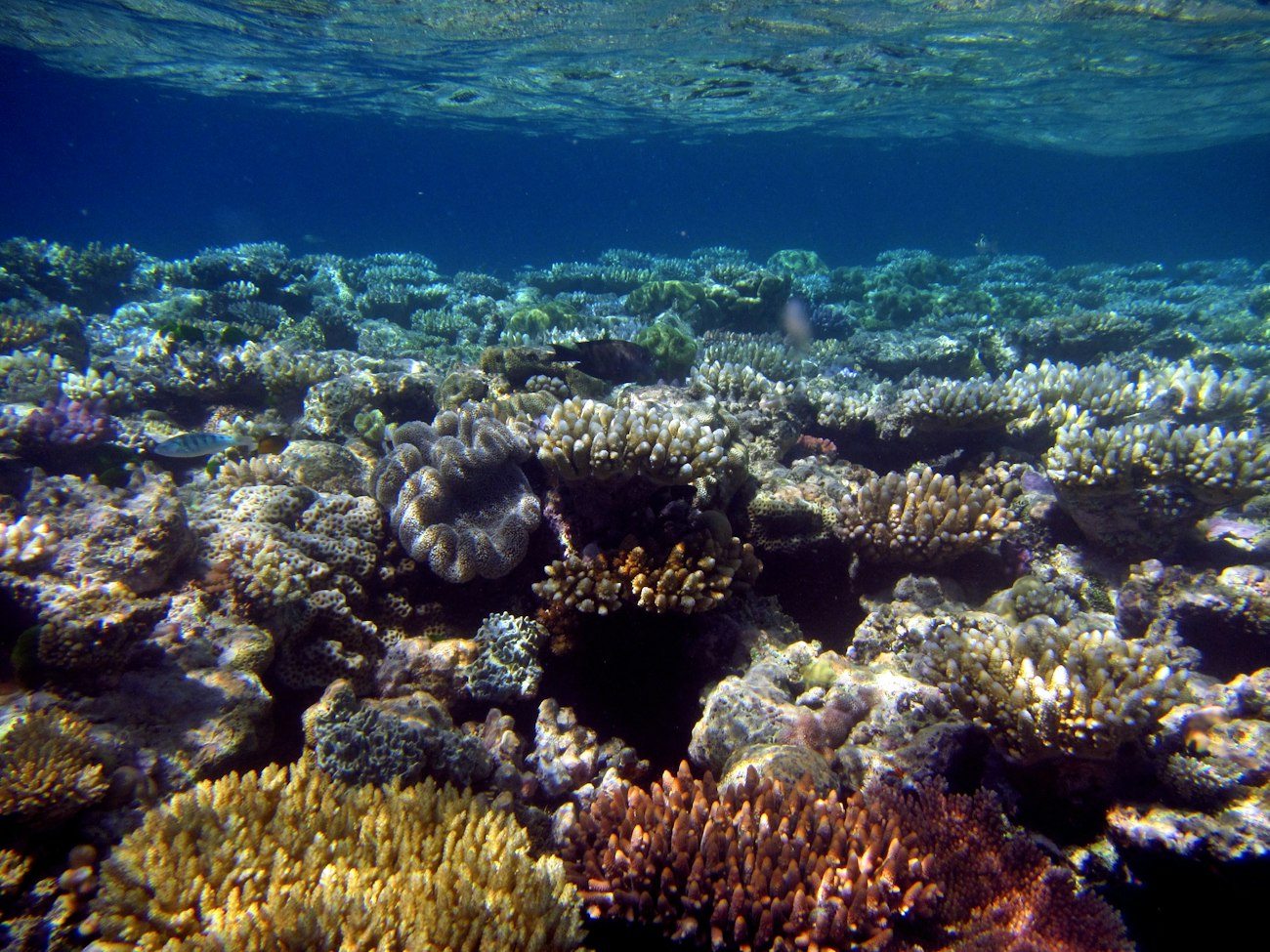
Take rubbish back to shore and leave shells and other natural material where they belong. A guided interpretation can help you notice details that would otherwise be missed. Ask questions about what you are seeing rather than expecting every site to look like a brightly lit promotional image; light, depth and conditions influence the view.
Read the cancellation and return arrangements
Understand the difference between a tour cancellation and a day that operates in less-than-perfect weather. Check the operator's policy before paying and contact them with concerns rather than assuming you can decide at the marina. Keep the evening after the trip simple, with dinner near your accommodation.
If diving is part of the booking, follow the operator's screening and instructions, including the planning of onward flights. Do not improvise those decisions from a general travel article. Allow the marine activity to be the day's main event and give yourself time afterwards to rest, dry equipment and enjoy what you have seen.