Make the walk the centre of the overnight plan
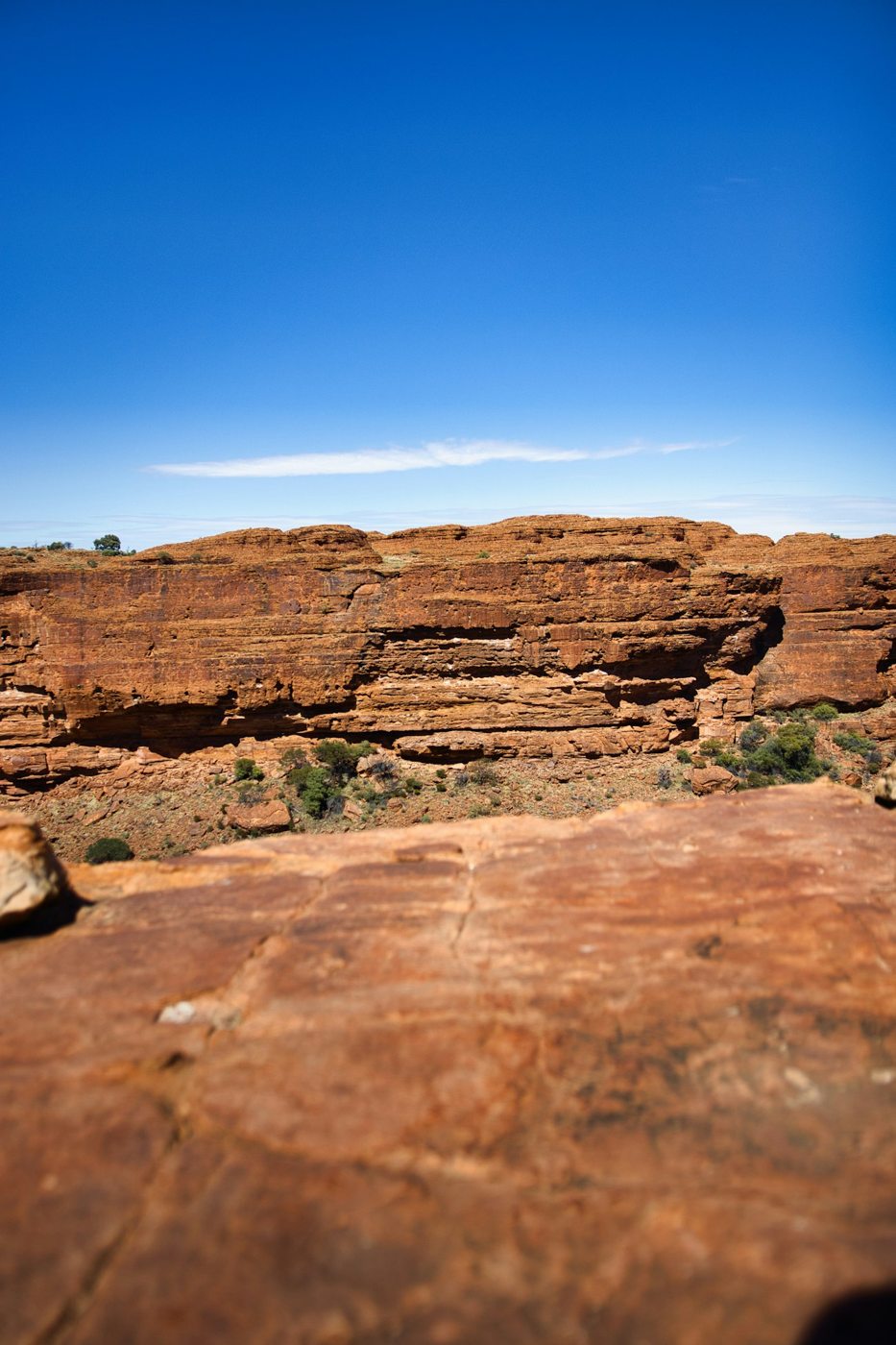
Kings Canyon sits within Watarrka National Park. If a canyon walk is the reason for visiting, build the accommodation and driving around that activity. Arriving, completing a demanding walk and driving a long distance onward in the same day creates several competing demands.
An overnight stop can allow a settled arrival and a separate walking morning. Confirm the accommodation's location relative to the park and the time needed to get ready and reach the starting area. Staying in the wider region does not mean that the walk begins at your room door.
Choose the route before choosing the timetable
The Rim Walk and shorter visitor options have different demands. Read the park's current descriptions and safety information rather than assuming that every member of the group should attempt the longest route. Heat-related rules and closures can affect the schedule, so check the official advice close to your visit.
If a route does not suit someone, select a suitable alternative instead of designing the day around them waiting without a clear plan. A shorter experience can be worthwhile in its own right. The purpose of staying overnight is to make the visit more comfortable, not to turn one named walk into an obligation.
Use arrival afternoon for preparation
Collect the current visitor information, confirm the next morning's conditions and arrange food. Find out what is available at the accommodation and whether you need to bring supplies. A remote stay deserves more advance thought than a room beside a city supermarket.
Keep any afternoon outing modest, particularly after a long drive. The park's scenic setting does not remove the effects of travel fatigue. If you have an early walking start planned, give the evening enough space for a meal, equipment preparation and rest.
Understand the roads on either side
Routes from Yulara, Alice Springs and the West MacDonnell region involve different connections. Consult current road information and the rental agreement for the exact route you intend to take. The Mereenie Loop should not be selected simply because a navigation application presents it as a convenient shortcut.
Compare the route with your vehicle, permissions, road surface and overnight plans. If any of these are unresolved, choose a suitable alternative before departure. Do not count on sorting out a route restriction once you reach a remote junction.
Leave time after the walk
The end of the walk is not the same as being ready for a long drive. Allow for returning to the vehicle, changing clothes, eating and deciding whether everyone is comfortable to continue. A second night may be worthwhile if the following stage is substantial or if you want a more relaxed visit.
When planning a single night, make the onward leg proportionate to the morning's activity. Remove optional stops rather than treating a late walking finish as a reason to drive faster or skip necessary breaks. Confirm the next property's arrival arrangements before leaving.
Keep the visit adaptable
Check Watarrka's official access page and current conditions, then follow the signs on site. A plan built around one route must be able to change if that route is unsuitable or closed. The landscape remains the destination even when your original walking choice changes.
An effective overnight itinerary is simple: reach the area comfortably, understand the visit, take the suitable walk and continue with enough margin. Extra viewpoints can be added when they fit, but they should not consume the time that makes the overnight stay useful.