Separate the arrival from the park visit
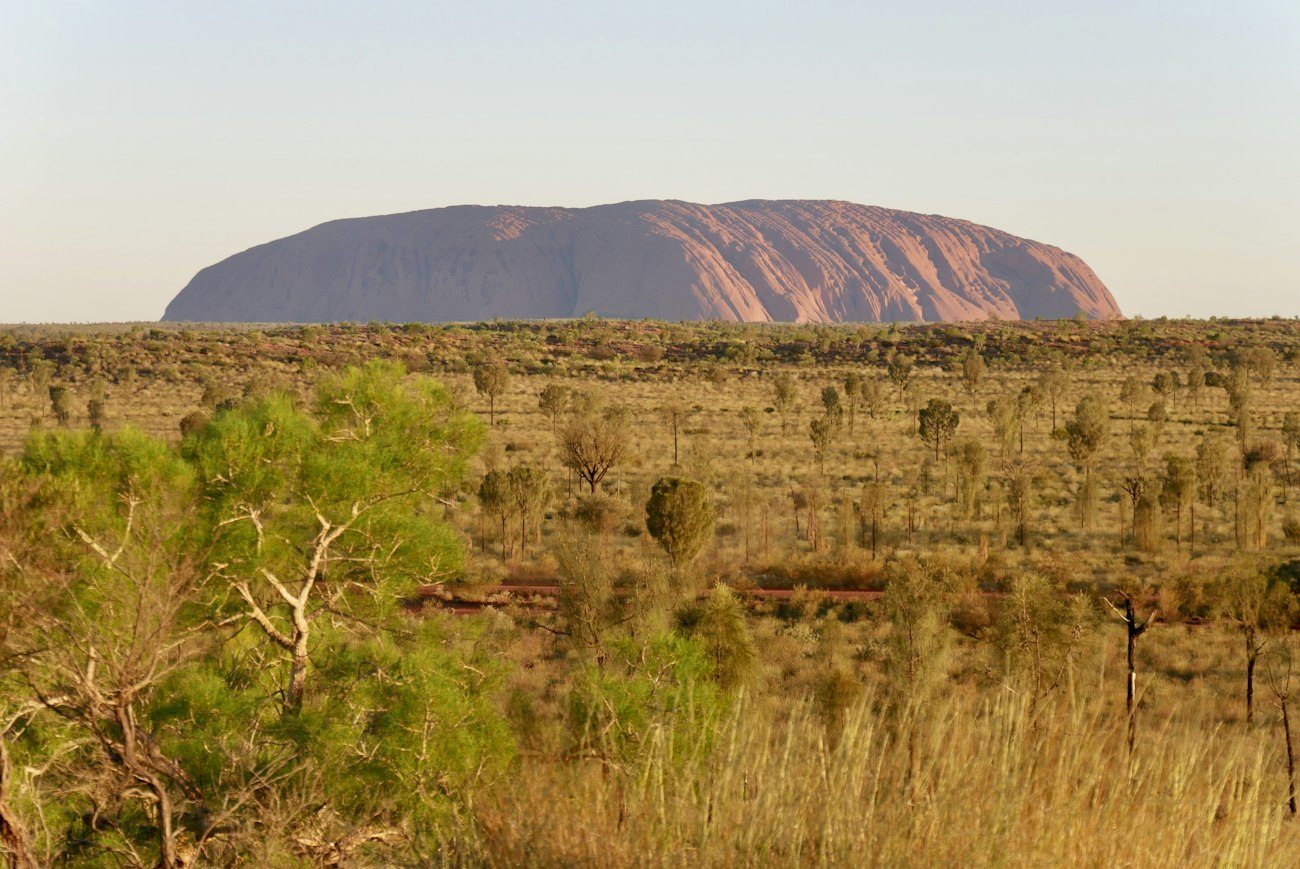
A three-night stay is a useful starting point for a first visit to Uluru because it creates two full days between arrival and departure. It does not mean packing each day from sunrise to sunset. The most rewarding schedule has space for walking, cultural learning and rest, adjusted to the season and your group's ability.
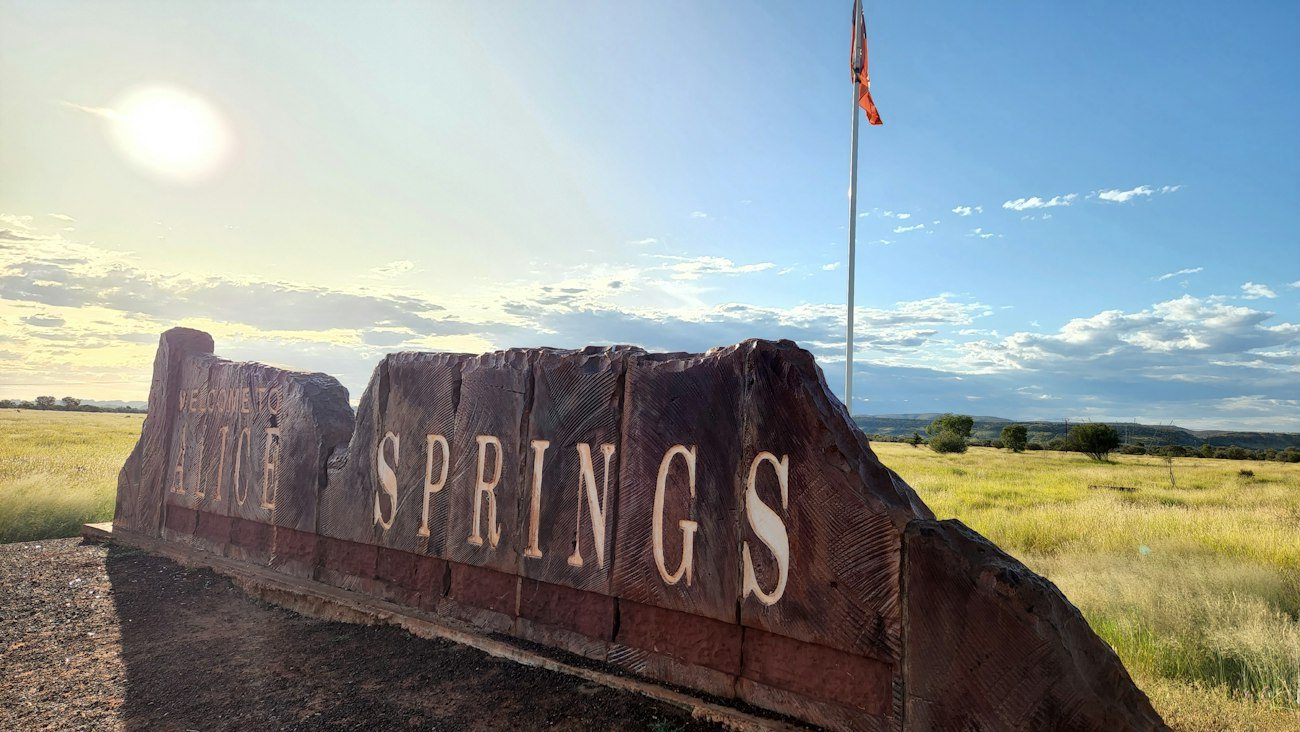
Start by checking where your transport arrives. A flight to Ayers Rock Airport supports a different arrival day from a long drive from Alice Springs. Arrange the transfer to your accommodation and the means of reaching the park before choosing individual activities. You need a vehicle or suitable organised transport to move between the main visitor areas.
Give the first evening one clear purpose
On arrival, collect supplies, settle in and confirm the following morning's arrangements. If timing and conditions allow, choose one sunset viewing opportunity rather than attempting a substantial walk as well. Leave enough time for the actual journey, parking and the return to your accommodation.
If the flight or drive runs late, let the first evening remain simple. Missing a particular light condition is preferable to turning the first hours into a hurried sequence of obligations. Three nights provide other opportunities to experience the landscape, even though no schedule can guarantee a certain sky.
Spend the first full day around Uluru
Choose a walking option from the park's current descriptions, matching distance, surface and conditions to the people travelling. The Mala and Kuniya routes offer different ways to approach parts of Uluru; a full base walk is a larger commitment. Do not assume that seeing several route names means you should combine them all.
Make time for the Cultural Centre and the information provided by Anangu and the park. Uluru is a living cultural landscape, and the visitor experience is more meaningful when the stories and guidance are treated as part of the visit. Follow signs about photography, access and culturally sensitive areas, and remain on the designated routes.
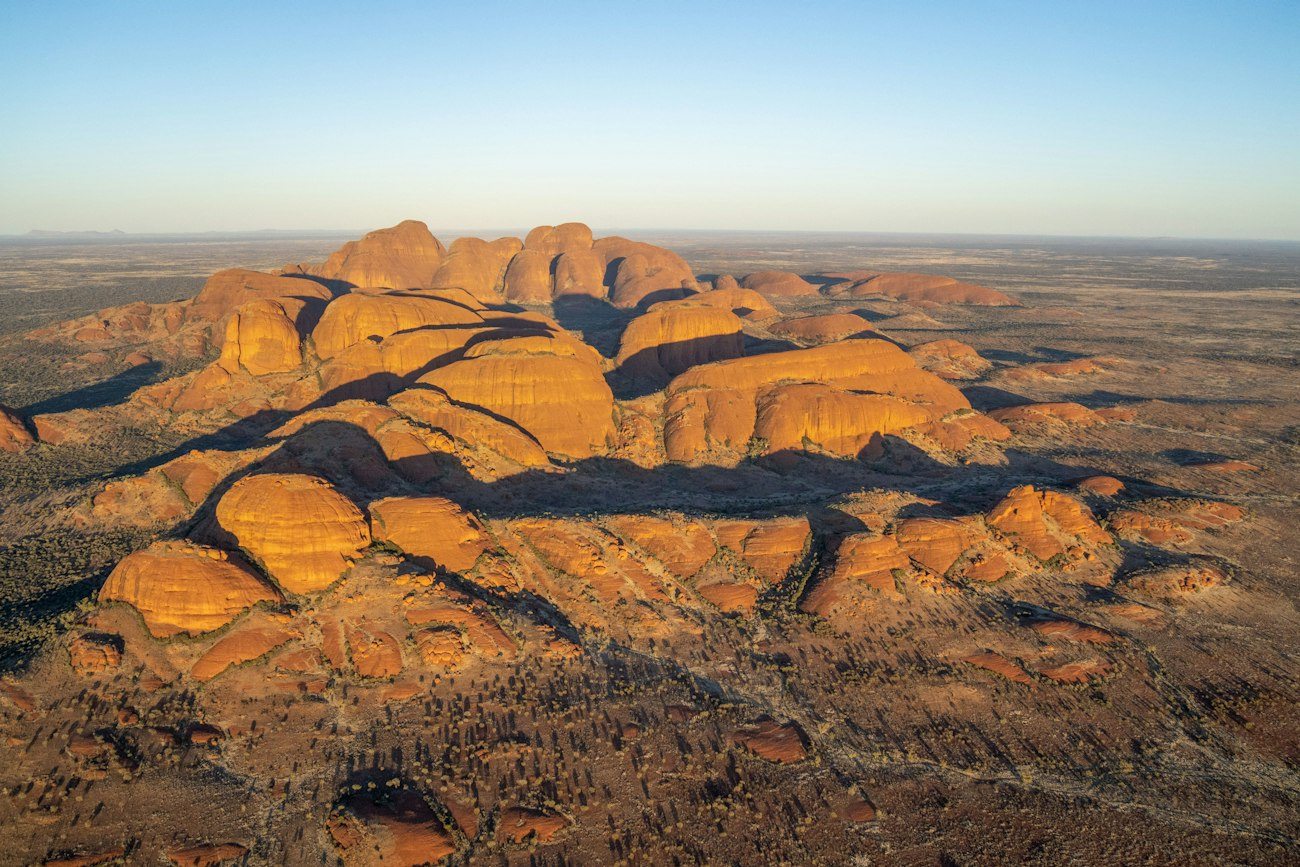
Reserve the second full day for Kata Tjuta
Kata Tjuta deserves its own allocation of time rather than becoming a final detour after a tiring day. Read the current walking information before choosing between Walpa Gorge and the Valley of the Winds options. Their terrain and demands differ, and heat-related restrictions can affect what is appropriate or open.
Plan around the journey from your base, the selected walk and a comfortable return. A viewpoint stop can provide a worthwhile visit when a longer route does not suit the group. Avoid treating the longest walk as the only way to experience the area; a smaller plan can leave more attention for the place itself.
Use the middle of the day realistically
The season has a strong influence on the pace of a park visit. Follow the park's current heat and walking advice, check alerts and carry the recommended supplies. Put rest into the schedule deliberately rather than waiting until everyone has exhausted their energy.
Arrange meals around the transport you have booked. An early departure may need breakfast prepared in advance, while a tour returning late can change dinner plans. Confirm the actual inclusions with the operator instead of assuming that every full-day booking provides the same food or equipment.
Keep the final morning proportionate
Check the departure arrangements before adding a last activity. Returning a rental vehicle, collecting luggage and reaching the airport or next road stage all take time. A quiet breakfast can be a better ending than trying to repeat a sunrise outing with a tight connection afterwards.
If you can extend the stay, use the extra night for flexibility or a particular cultural experience that interests you. If you must shorten it, select fewer activities. The quality of the visit depends on having time for the experiences you choose, not on completing every item offered around the resort.