The region is larger than one holiday base
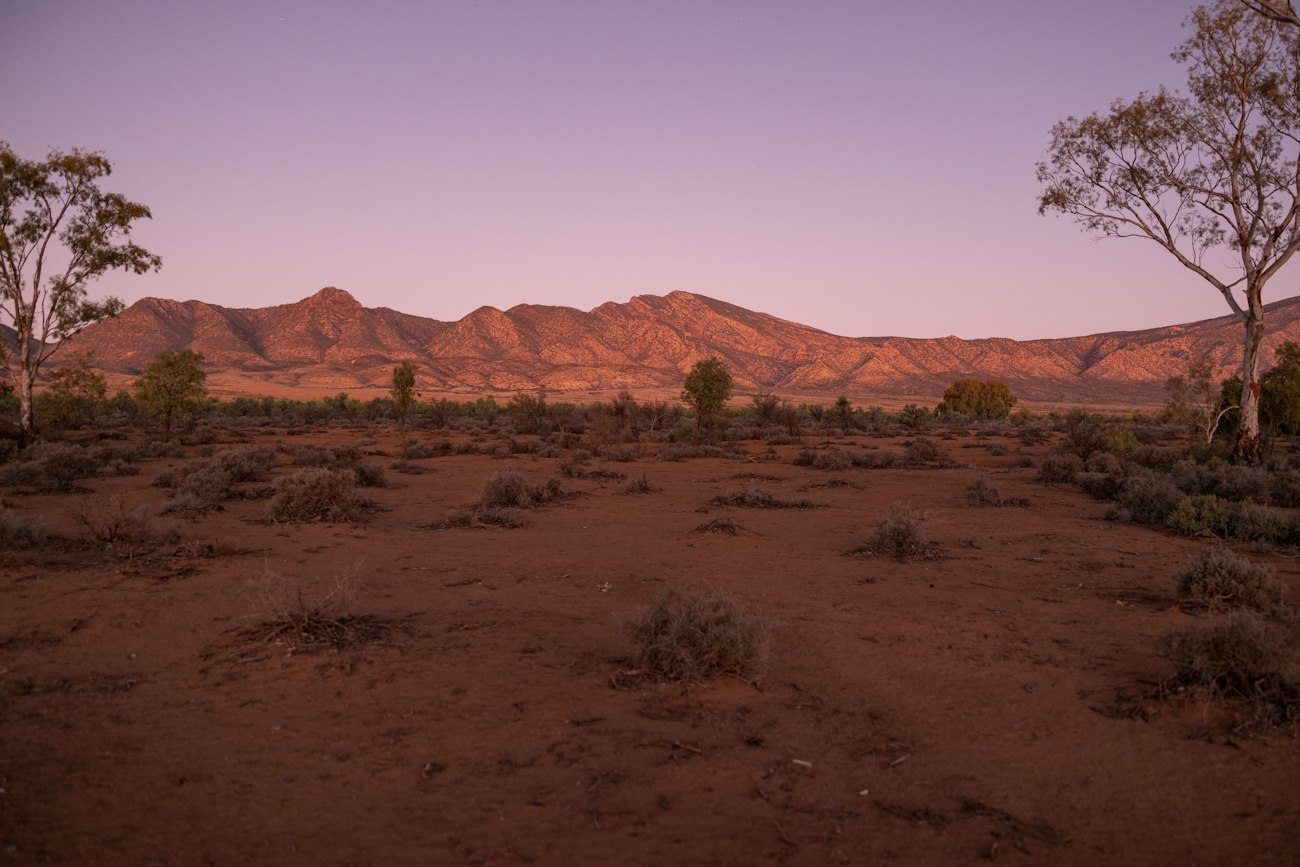
The Flinders Ranges name covers a broad area. For a first visit centred on Ikara-Wilpena Pound, choose accommodation that makes that area practical instead of booking somewhere simply labelled Flinders Ranges. Hawker can be useful for services and access, while a park-area stay supports earlier starts near walks.
A station stay offers a different experience, but read what is included and how far it is from your intended outings. A remote setting is not automatically a convenient touring base. Check meals, fuel, water and arrival instructions before committing.
Three questions that distinguish the bases
First, where does your first walk begin? If it is around Wilpena, a nearby stay buys a calmer morning. Second, where will you eat? Hawker or a property with confirmed meals may be more practical than a remote self-catering stay when you have not planned supplies. Third, how much of the region do you want to drive? A base suitable for two local walks is not automatically well placed for a series of distant scenic routes.
A first three-night visit could use arrival afternoon for the accommodation area, the first full day for a selected Ikara walk and the second for a cultural or landscape outing. Keep those full days interchangeable when bookings permit. This leaves departure free of a demanding hike.
Travellers planning several unsealed scenic drives should ask different questions from those seeking gentle walks: road condition, vehicle permission and fuel take greater prominence. If these arrangements feel disproportionate to a short stay, simplify the route. You can appreciate the ranges from a smaller area without claiming to have toured the whole region.
Match accommodation to your walking plans
If short walks and lookouts are the priority, you can build a satisfying stay without attempting a major summit. Read the park's trail descriptions and choose a few that suit your group. A route's distance alone says little about heat, surface or climbing.
For a substantial walk, an extra nearby night can be more valuable than another scenic drive. It lets you begin rested and avoid combining a demanding outing with a long transfer. Check seasonal restrictions before booking dates around one specific trail.
Treat road access as a separate decision
Some scenic routes involve unsealed roads and can be affected by weather. Confirm current conditions and your rental agreement rather than assuming a standard car is appropriate because a route is shown online. A detour to avoid a closed road may alter the whole day.
If you do not want to manage remote driving, investigate a guided outing from your chosen base. Ask about pickup, route and time outside the vehicle. A tour should match your interests, not merely remove a transport problem.
Leave room for the cultural landscape
Ikara is Adnyamathanha Country. A cultural experience can add understanding that an unguided scenic drive cannot provide. Check availability and make room for the full experience instead of inserting it between two distant lookouts.
Respect site instructions and access boundaries. Photography and interpretation should follow the guidance given at the place you visit. The region is more than a backdrop for a road-trip image, and a slower visit makes it easier to appreciate that.
Plan the first and last days conservatively
The drive from Adelaide is a substantial part of the trip. Use arrival for settling in, a short nearby view and supplies. Keep the longest walk for a complete day. On departure, leave enough time for the onward route instead of trying to fit in everything you missed.
Three nights can give a useful first stay when distances and weather cooperate. With less time, narrow the geographic scope. With more, add a second area only after allowing enough settled days at the first. A well-chosen base reduces both driving and the number of decisions you make each morning.