Account for the approach road
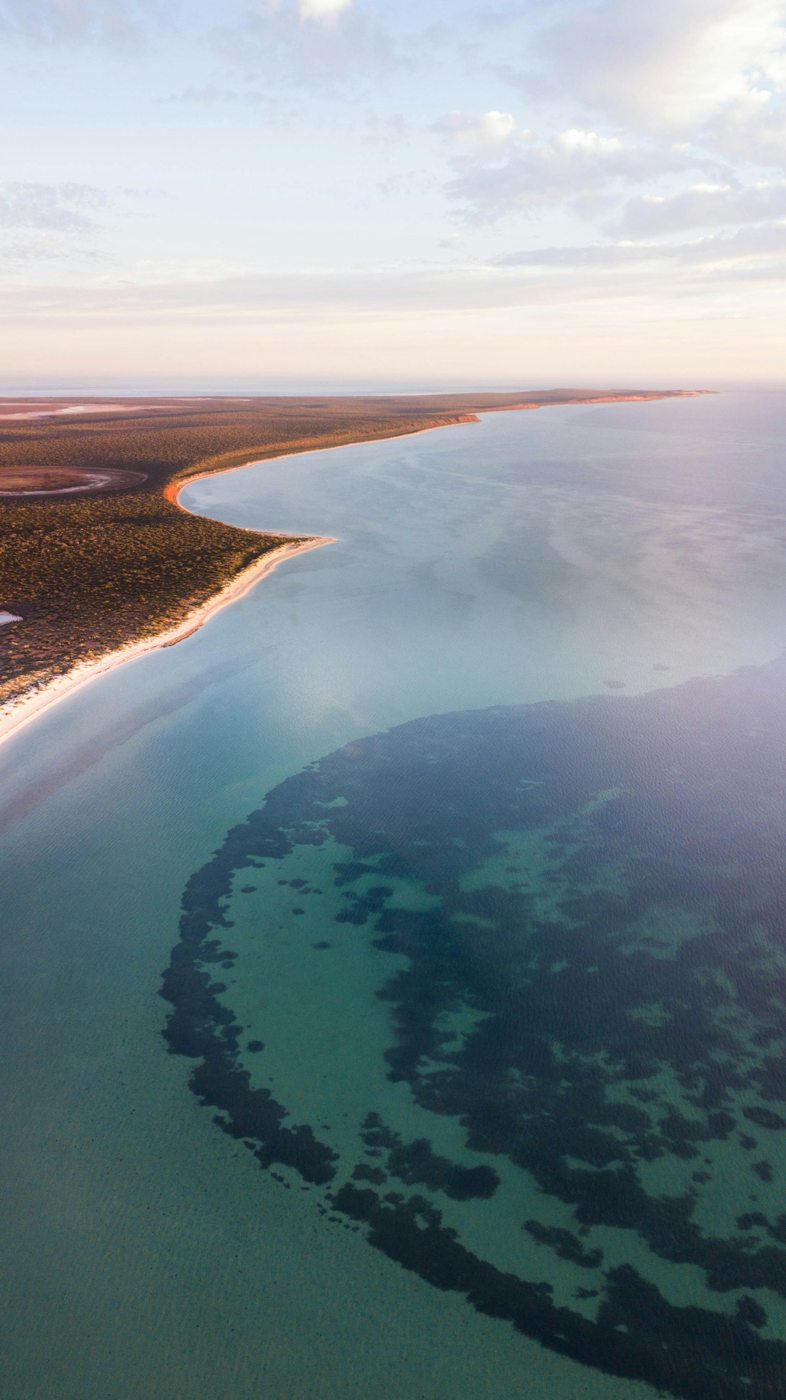
Shark Bay is not simply a roadside pause between Kalbarri and Exmouth. The journey into the peninsula and back belongs in your driving plan. Look at the full route to your accommodation rather than measuring only to the highway turn-off. On arrival day, one or two short stops may be enough.
Denham is a useful base when town services, groceries and different excursions matter. Monkey Mia offers another setting, with its own accommodation and visitor arrangements. Compare how often you would drive back for meals or supplies before choosing solely on the appeal of a waterfront photograph.
Give wildlife encounters room to be uncertain
If visiting Monkey Mia, read the current dolphin-experience information and follow ranger instructions. Wild animals do not operate to a visitor's timetable. Keep the rest of that morning flexible and appreciate the surrounding coast even if sightings differ from expectations.
Do not crowd or feed wildlife outside authorised arrangements. The experience is more comfortable when you arrive with water, sun protection and a realistic idea of how long you may be outdoors. If children are involved, keep a snack and a quieter alternative ready rather than promising a close encounter.
Use Shell Beach on an approach or departure day
Shell Beach lies on the route into the wider Shark Bay area and is known for its shell-covered shore. It can make a sensible pause before reaching Denham, provided you have daylight and energy left. Take time to look closely at the surface rather than treating it only as another white-beach photograph. Leave natural material where it belongs.
If arrival is late, put this stop on departure instead. There is little advantage in driving out from Denham specifically to repeat a road you will use again. A simple approach-day stop also leaves the full days available for the parts of the peninsula that need more time.
For an example with three nights in Denham, keep the first afternoon to Shell Beach and settling in, the next day to Monkey Mia and nearby scenery, and the third to a prearranged remote-area or marine experience. Put the Discovery Centre into a shorter gap or use it as the main alternative if conditions cancel the tour. With four nights, leave one day substantially open rather than adding a distant compulsory stop; that spare time is what makes a weather-sensitive booking easier to manage.
Separate sealed-road touring from remote travel
A straightforward first visit can focus on places reached using ordinary permitted roads, with Denham and selected coastal stops providing variety. Remote national-park tracks are a different undertaking. Do not infer vehicle suitability from a route line on a phone map.
If Francois Peron National Park is a priority, check the current access requirements and your vehicle agreement. A guided excursion may be the better choice when you lack the appropriate vehicle or experience. Book it as a substantial activity, leaving time afterward instead of pairing it with a long evening transfer.
Build a three-night outline
For three nights, use arrival afternoon to settle in and explore nearby. Give the next day to Monkey Mia and a limited selection of stops along that side of the peninsula. Use the following day for a chosen tour, coastal outing or the Discovery Centre in Denham, according to interests and weather.
This outline leaves departure morning for a meal, fuel and the route back toward the highway. A two-night visit can work if you cut one entire excursion rather than compressing all three days. An extra night has real value when a boat trip is central, because wind can affect operations.
Keep expectations suited to a remote coast
Check what your accommodation supplies and buy essentials before the day gets late. Offline maps and saved booking information reduce dependence on reception. Count driving, boarding and check-in time as part of each outing, even when the headline attraction sounds short.
Shark Bay offers shore landscapes and wildlife that reward patience. Choosing fewer stops makes space for that patience. The most useful itinerary is one you can shorten without feeling that the entire visit has been spoiled.