Start with the type of day you want
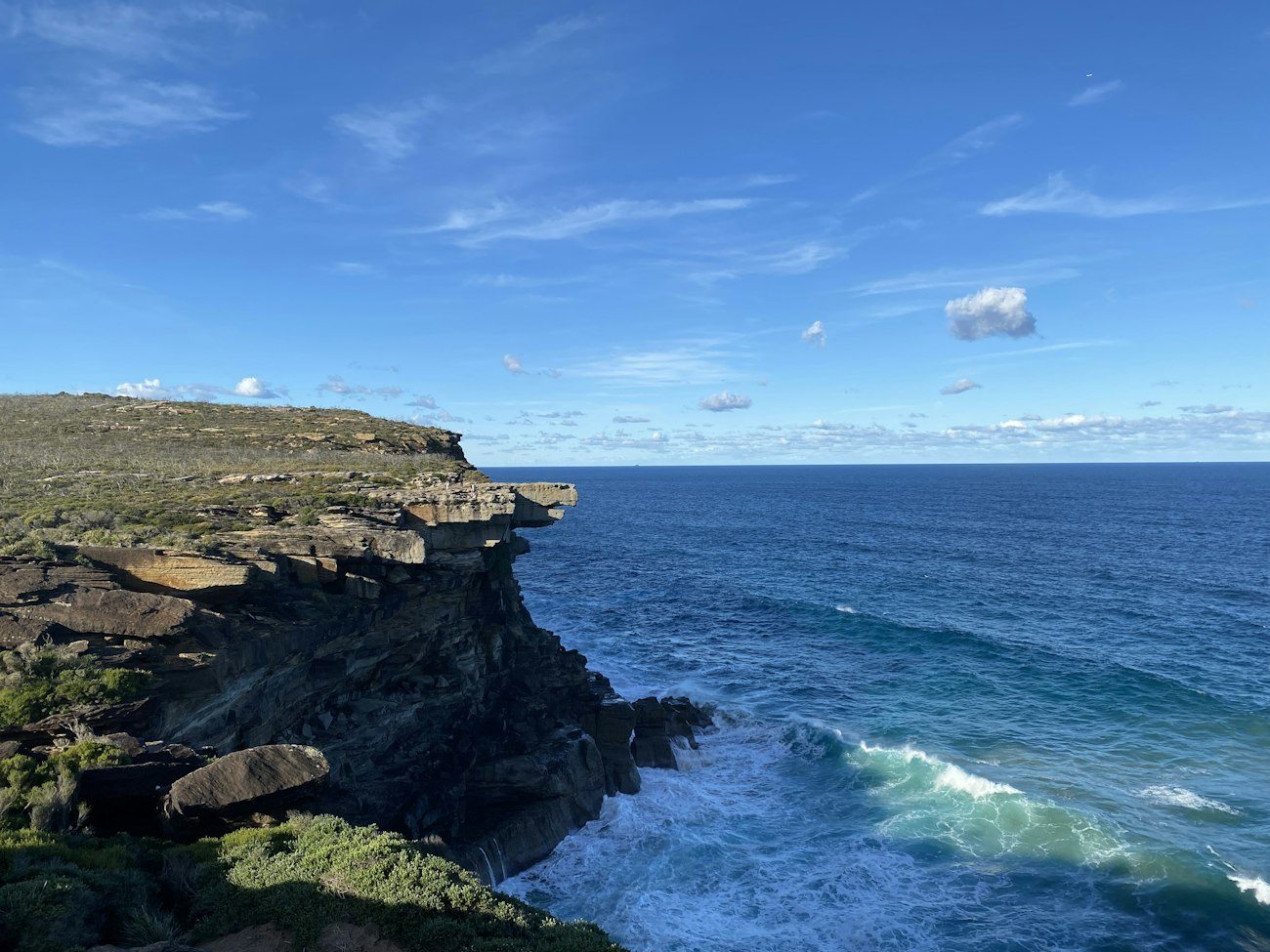
Royal National Park can mean a riverside picnic, a coastal walk or a longer bush outing. These are different plans with different access and preparation. For a first visit, choose one area and one main activity. Audley may suit a gentler introduction, while a walk near the coast requires a closer look at the exact track and return route.
Read the park's current alerts before leaving Sydney and again if conditions change. Fire danger, storm damage and maintenance can close tracks or roads even when other visitor areas remain open. A saved map or social-media photograph does not establish that a route is currently accessible.
Access determines the itinerary
Driving gives flexibility but does not guarantee parking at the place you choose. Arrive with an alternative nearby and avoid planning several separate parking stops on a busy day. Check current entry arrangements and whether your chosen area has the facilities your group needs.
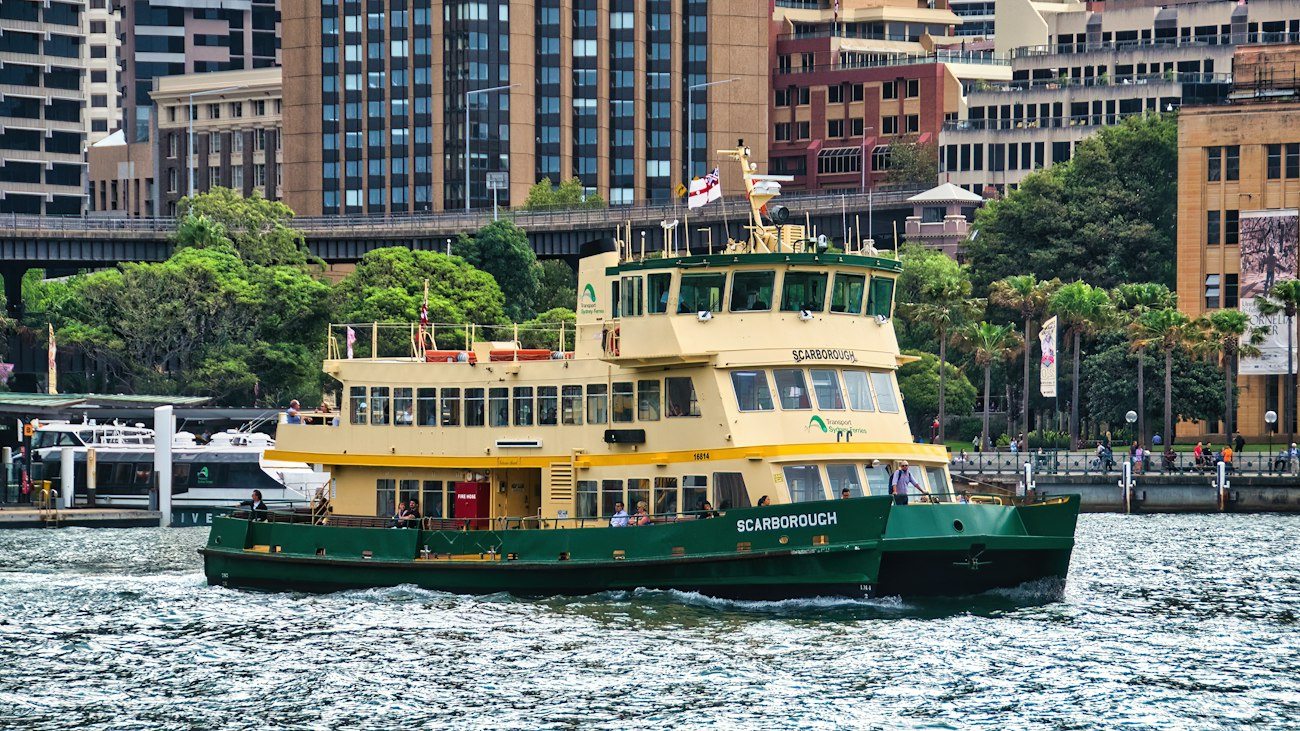
Without a car, build the outing around the actual transport connection rather than a distant attraction in the same park. A train and a ferry or a local transfer can be part of the journey, but service times constrain your return. Confirm operator information and leave enough margin to get back without rushing along a track.
Choose a walk by effort, not photographs
Read distance, grading, surface and elevation together. A short route can still include steep steps or exposed coastline. For a mixed-ability group, select an obvious turnaround and agree that the slowest person's comfort sets the pace.
Carry drinking water, suitable shoes, sun protection and a layer for changing weather. Keep a map available offline and stay on marked routes. A first visit is not the occasion to improvise a shortcut between tracks. Rock platforms and tidal attractions require specific conditions and are not sensible substitutes when a planned path is closed.
Give the picnic time of its own
A meal outside can be the centre of the day rather than something squeezed between walks. Bring enough food, take all rubbish out and secure it from wildlife. Do not feed animals or assume a picnic area has drinking water or a working barbecue without checking.
Set off home while you still have a comfortable transport or driving margin. If the outing leaves you wanting to explore another part of the park, that is a good reason to return. One well-chosen area gives a clearer first impression than a hurried tour of places separated by winding roads.