Describe the requirements that matter to you
Access needs vary, so a general label cannot answer every question. Make a short description of the features you require and the circumstances that cause difficulty. This could include step-free routes, bathroom layout, transfer space, hearing support, visual information or a quieter environment.
Use that description consistently when contacting accommodation and operators. It helps staff respond to the actual situation rather than guessing what a word means. If equipment dimensions affect suitability, provide them and ask for measurements in return rather than relying on a wide-angle photograph.
Follow the entire arrival route
Ask how you get from the drop-off or parking point to reception and then to the room. A suitable room is less useful if the entrance route presents a problem. Confirm lifts, doors and any sections where assistance would be needed, including what happens outside normal staffed hours.
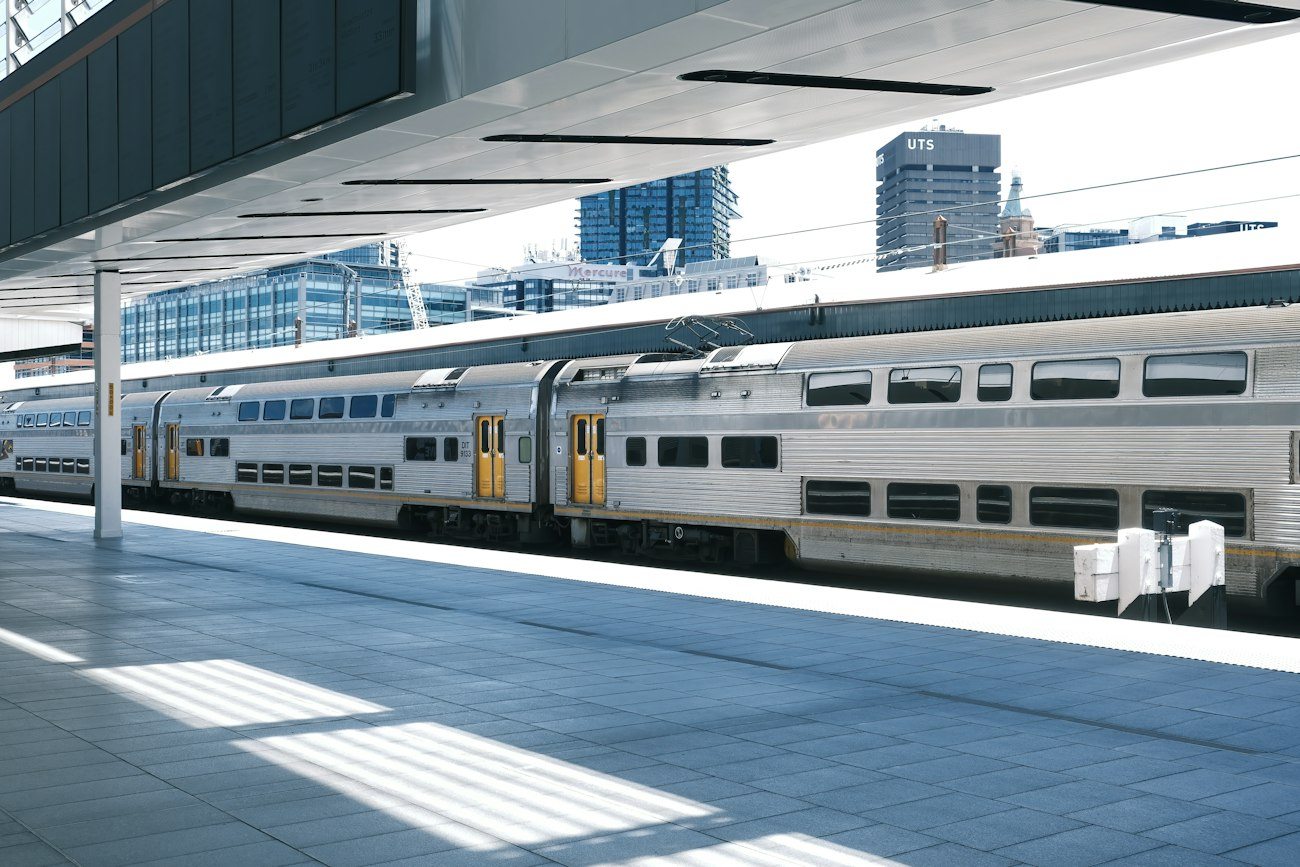
For public transport, investigate the specific stations, stops and boarding arrangements on the intended journey. Features can vary across a network. Ask the operator about assistance and disruption procedures before making a tightly timed connection. Allow time for the process that works for you rather than using an average journey estimate.
Ask about the exact room or departure
Room categories can contain different layouts. Request written confirmation of the features important to your stay and ask whether the booking assigns a specific suitable room. Check bed access, shower arrangement and the space needed for equipment without assuming that one accessible feature implies all the others.
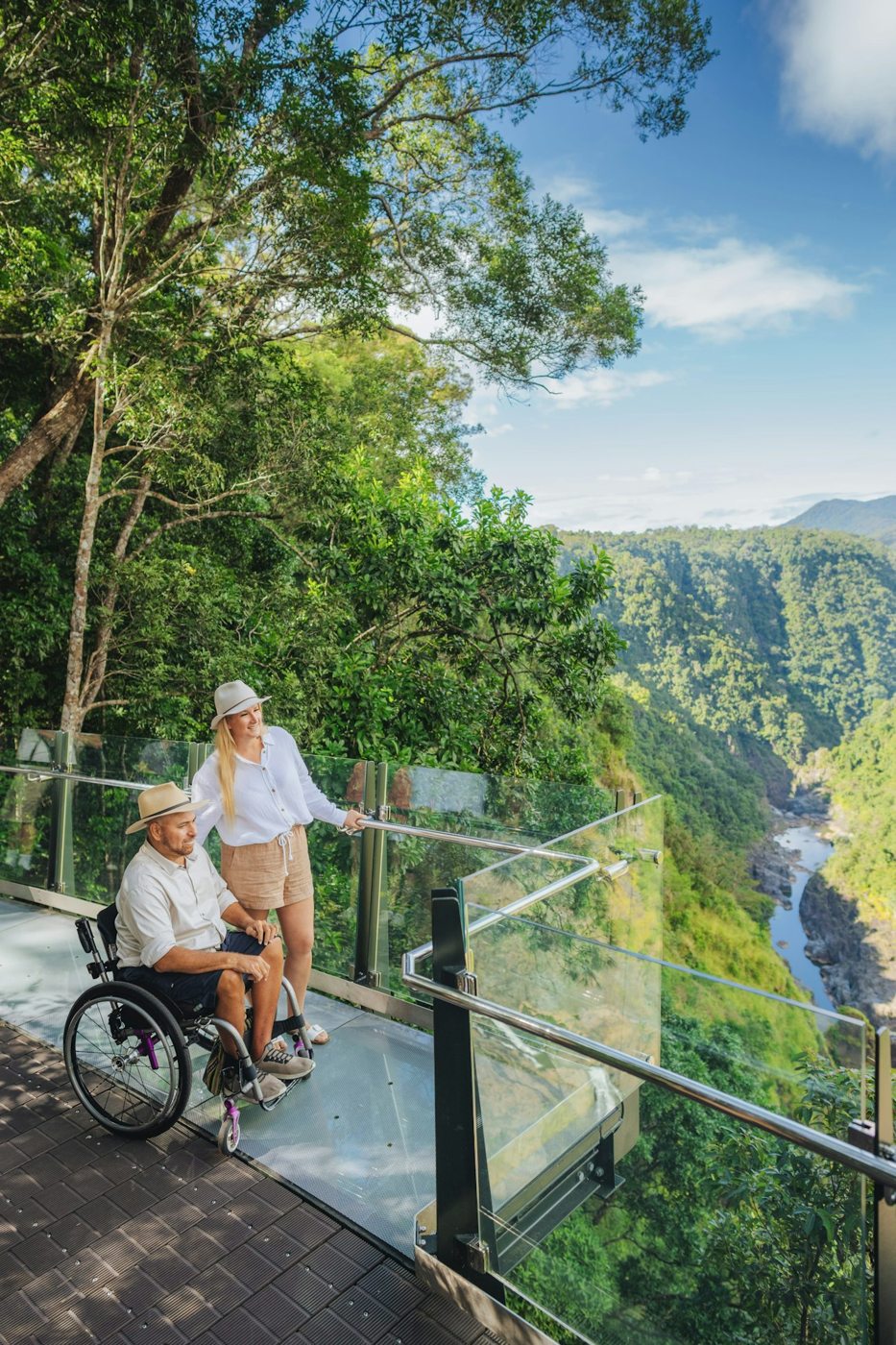
For tours, clarify the vehicle, boarding method, surface conditions, toilets and the ability to pause or leave an activity. A scenic experience may be possible in several formats. Choosing the one that meets your needs can be more useful than trying to adapt the most heavily promoted option after booking.
Plan the spaces between attractions
Rest opportunities, shade, seating and nearby facilities can determine whether a day is comfortable. A collection of individually suitable attractions may still create a demanding day if the transfers between them are difficult. Group nearby experiences and leave room to adjust the pace.
Consider sensory conditions as part of the planning. Ask venues about quieter sessions, lighting, sound and available information where relevant. The answer should relate to the date and format you intend to attend, not only a general description of the venue.
Keep confirmations together
Save the names of contacts, agreed arrangements and relevant photographs or measurements. Reconfirm important details shortly before travel, particularly where a specific room, vehicle or assistance service is essential. Make an alternative plan for a key activity so that a change does not leave the whole day unresolved.
Tourism Australia's accessible-travel material can help identify possibilities, but direct confirmation with the provider remains important. Use the research to narrow choices and ask precise questions. The strongest itinerary is the one built around your own requirements from the beginning.