Make a location-by-location list
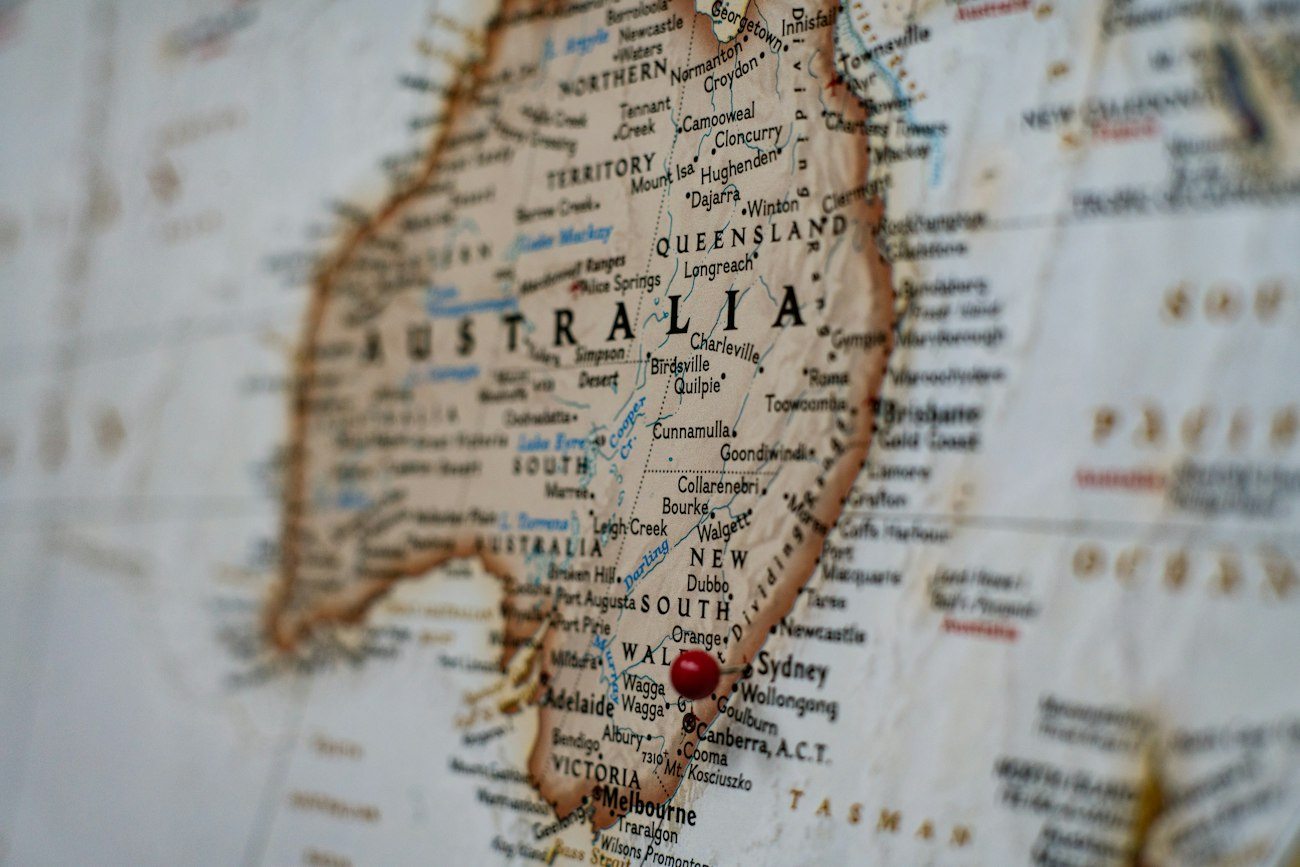
Write down each place, the dates and the activities you expect to do there. A city stay, an exposed coastal walk and a tropical excursion can require different clothing even within one holiday. Compare forecasts nearer departure, while using seasonal information to make the initial packing decisions.
Avoid building the suitcase around a single image of Australian weather. Think about mornings and evenings as well as afternoon temperatures. A warm day does not mean every ferry deck, lookout or air-conditioned journey will feel the same.
Use combinations instead of separate wardrobes
Choose everyday pieces that work together, then add a warm layer and weather protection appropriate to the route. Try the combinations before packing. If a jacket only fits comfortably over one shirt, it offers less flexibility than it appears to in the suitcase.
Give each bulky item a clear purpose. Walking footwear should suit the actual paths you have chosen, not a hypothetical expedition. If the itinerary consists of town streets and short established walks, an unfamiliar heavy pair may be less useful than comfortable footwear you already know. Specialist activities should be checked with the operator for clothing and equipment requirements.
Plan laundry into the clothing count
For a longer holiday, washing clothes can reduce the amount you carry more effectively than another packing organiser. Identify a stay where laundry is available and allow enough time for drying. A machine listed among a property's facilities may be shared, paid or available only during certain hours.
Keep one small bag for the next overnight stop so that you can find essentials without unpacking everything. Separate damp beach clothing from the rest of the luggage and deal with it when you arrive, rather than leaving it bundled through another driving day.
Keep the first day accessible
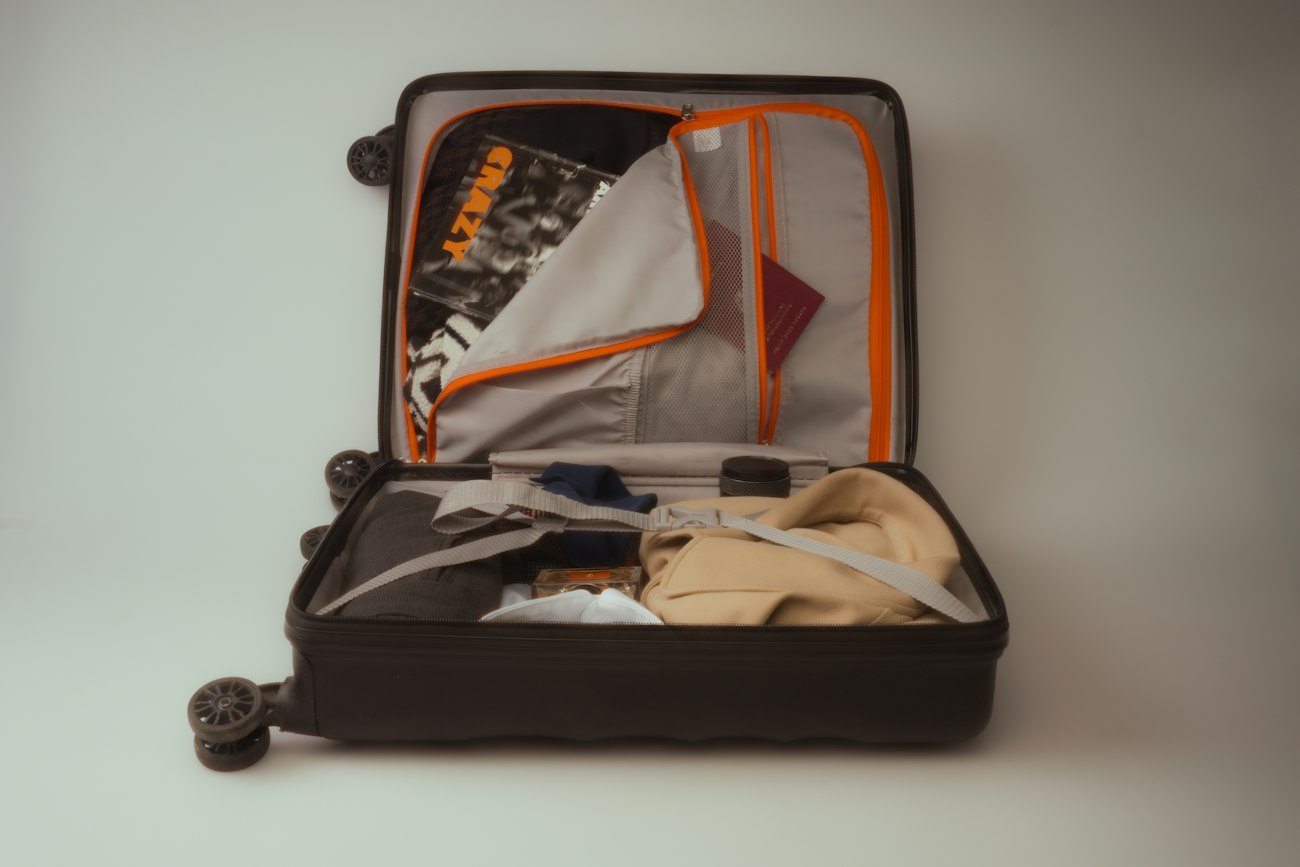
Place a change of clothes, essential personal items and the layers you may need on arrival where you can reach them. Follow airline rules for what can be carried in the cabin, especially batteries and liquids. Do not make the entire packing system depend on having space to open a large suitcase at a station or rental desk.
Finally, remove items that duplicate the same job. A modest bag with useful combinations is easier to manage during transfers and in smaller rooms. Leave a little spare space so that repacking does not require recreating a perfect arrangement every morning.