Identify whether the flights form one journey
Before comparing connection times, check whether the flights are on the same booking and what the airline says about baggage and transfers. Separate tickets can create a very different task from a protected connection. Do not assume that a shared airline name or an airport code guarantees that everything will be handled together.
Use the operating airline's current instructions for your exact airports and flights. Find out whether you need to collect bags, change terminals or check in again. These details matter more than a generic claim that an airport is easy to use.
Build the transfer from its individual steps
Write the sequence down: leave the aircraft, collect luggage if required, reach the next terminal, complete the necessary formalities and get to the gate. Include the time needed to find your way. A published minimum connection is not a comfortable personal allowance for every traveller or booking arrangement.
Families, travellers with mobility requirements and people carrying specialist equipment may need extra arrangements. Ask the airline about assistance before booking a tight connection. If you have checked bags, read both flights' baggage conditions rather than assuming that the allowance on the longer flight carries through.
Do not make the arrival afternoon carry too much
A short domestic flight can still consume much of a day once airport journeys and accommodation access are included. Treat it as a transfer day in the itinerary. Reserve a relaxed dinner or neighbourhood walk for the evening instead of an expensive activity with a fixed start.
This is particularly useful when flying into a regional destination and collecting a rental vehicle. The drive after landing belongs in the same day's workload. Check the collection desk's procedure if the flight is delayed and confirm that your accommodation can receive a late arrival.
Use a deliberately cautious connection example
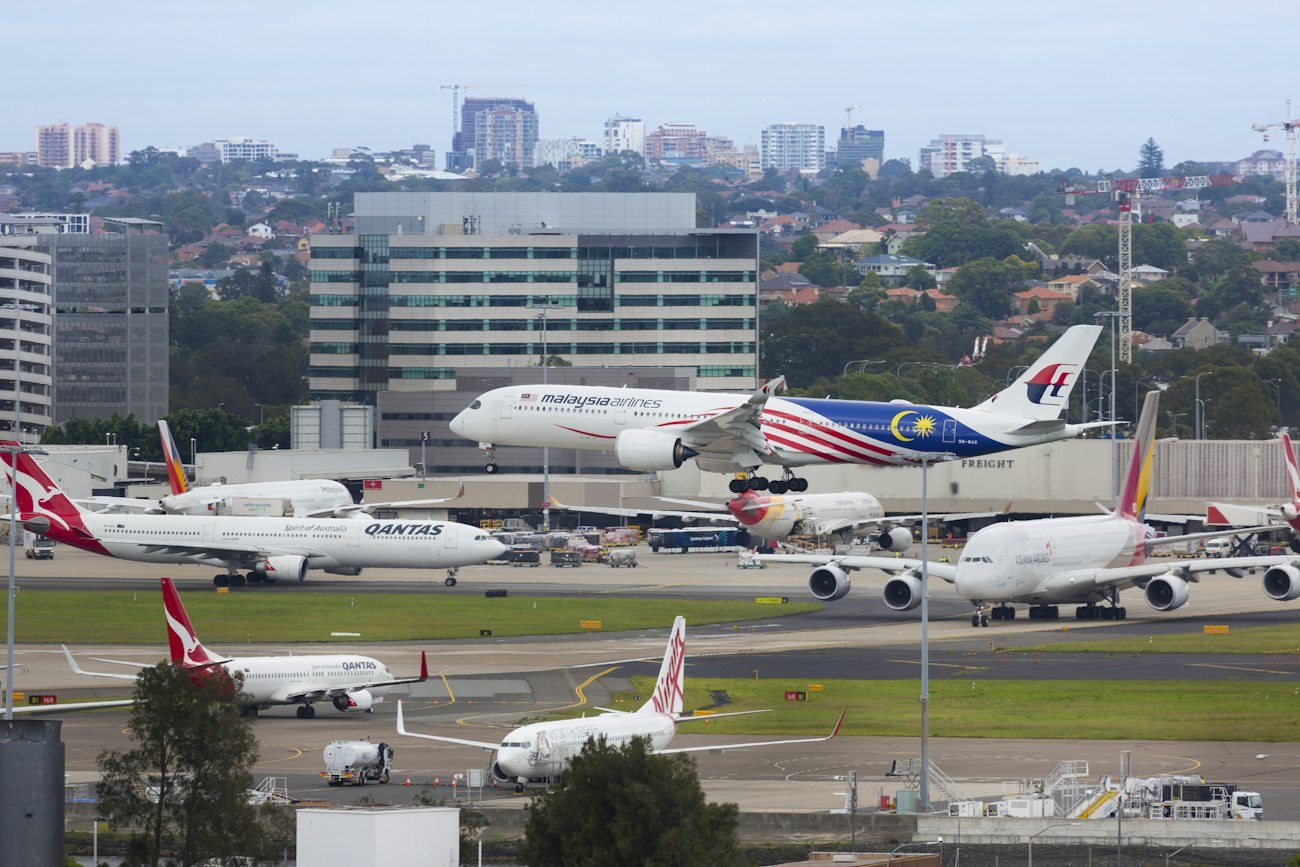
Imagine reaching Sydney on an international flight and continuing to a regional destination on a separately booked domestic service. The domestic flight is not simply the next activity after landing: you must establish the arrival formalities, bag collection and terminal journey that apply to your booking. Ask the carriers what happens if the first flight is late. Do not infer protection from having purchased both flights on the same website.
Compare that arrangement with a through booking and with an overnight stop. Include the additional room and airport journeys in the overnight option, but also the calmer arrival it creates. The right choice depends on the available flights and your tolerance for disruption; a universal two-hour or three-hour recommendation cannot resolve those differences.
Compare the cost of a missed next step
When deciding between an earlier flight and a cheaper later one, consider what follows. A separate onward flight, a ferry with limited alternatives or a remote accommodation check-in makes disruption more consequential. An overnight buffer may be sensible when several arrangements depend on one arrival.
Keep confirmation details and the airline's contact options available offline. Recheck flight information before travel and follow the airport guidance on the day. The aim is not to predict every delay; it is to avoid building a holiday in which one small delay immediately breaks the next three bookings.