Choose the relationship between the two parts
A city-and-nature holiday works when the two halves complement each other. The city might provide galleries, neighbourhood meals and an easy arrival, while the regional stay provides walks and a slower routine. Decide what you want from each before deciding how many places to include.
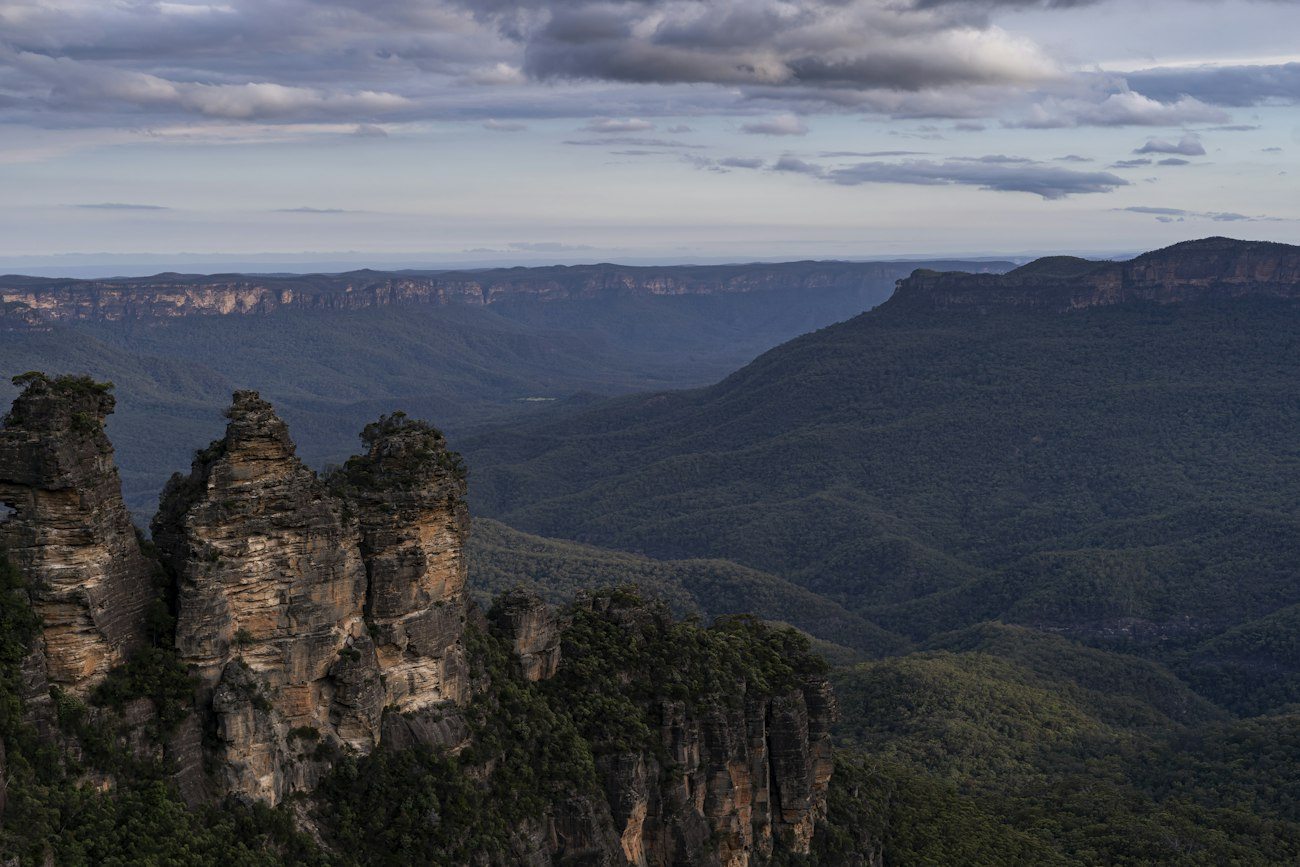
For example, Sydney can be paired with a Blue Mountains stay, while Melbourne can anchor a coastal journey. Perth can begin a south-west trip, and Hobart can provide a city component within a Tasmanian route. These are starting points to investigate, not promises that every attraction is a quick day trip from the capital.
Give the transition its own day
Checking out, collecting a car and reaching a new base takes a meaningful part of the day. Avoid attaching a long walk to that transition simply because the driving estimate looks short. Choose a modest arrival activity, such as exploring the town or locating the next morning's starting point.
If you do not want to drive, establish the regional transport before choosing accommodation. A tour or transfer may solve the connection, but it needs to reach the place where you will stay. The nearest town on a rail map may still be some distance from the landscape you have in mind.
Spend city time in connected neighbourhoods
Use the urban part of the trip to explore at street level rather than crossing the city for every meal. Group a museum, a nearby neighbourhood and an evening out into a coherent day. This helps the city feel like a place you stayed rather than a sequence of transport journeys between landmarks.
Consider collecting a rental vehicle only when the regional section begins. Compare the collection location and departure direction so that the handover is convenient. A car that is useful outside the city may add parking work during the days before it is needed.
Build the nature stay around your ability and interests
Choose a base with outings that fit the group. A national park can offer very different experiences, from a short established viewpoint route to a demanding full-day walk. Check the actual route description, access and current alerts before using a photograph to decide that an activity is suitable.
Keep an alternative for poor conditions. It may be a shorter local walk, a visitor centre or a town day rather than an equally ambitious substitute. A two- or three-night base gives you more room to move an outdoor activity than a single-night stop does, although it cannot guarantee conditions.
Try a one-week Sydney and Blue Mountains draft
As a planning example, three nights in Sydney followed by three in a Blue Mountains base and a final night back near your departure arrangements creates a clear division. The city portion could hold one harbour-focused day and one neighbourhood-and-gallery day. The mountains portion then has two uninterrupted days for suitable walks, lookouts and town time instead of trying to complete everything on arrival.
Change the allocation according to your interests. Four city nights and two mountain nights may suit someone who wants more urban exploring; the reverse may suit a visitor with several appropriate walks in mind. Check transport and the route from the regional station or parking area to the exact accommodation. The suggested allocation is a way to test the balance, not a packaged itinerary or an assurance that every walk is accessible.
Keep the final return day light enough to respond to weather or transport changes. If your international departure is early, compare the practical morning journey from the final hotel before booking it. A holiday can contain both city atmosphere and time in nature without ending with a long, anxious transfer.
Decide where to finish
Ending near the departure airport can make the last day easier, especially after a moving regional itinerary. Alternatively, a final quiet stay may suit you if the onward connection is straightforward. Compare the complete departure rather than selecting the final night solely for its setting.
The balance does not need to be equal. Someone who enjoys restaurants and exhibitions might prefer a longer city stay with a short regional break; another traveller may use the city mainly to arrive and prepare. Allocate nights according to the experiences you want to repeat, not a rule that every category deserves the same share.