Build the route around settled days
A family trip becomes tiring when every morning involves packing and every afternoon ends with another drive. Choose two or three bases for a shorter holiday, with at least a complete day at each. Hobart plus one coast or northern region can be enough for a week.
Let the children's interests shape the route. A wildlife experience, a beach with room to play or a museum they genuinely enjoy is more useful than several famous viewpoints visited briefly. Leave something for another trip instead of trying to complete the island.
A seven-night example with a useful limit
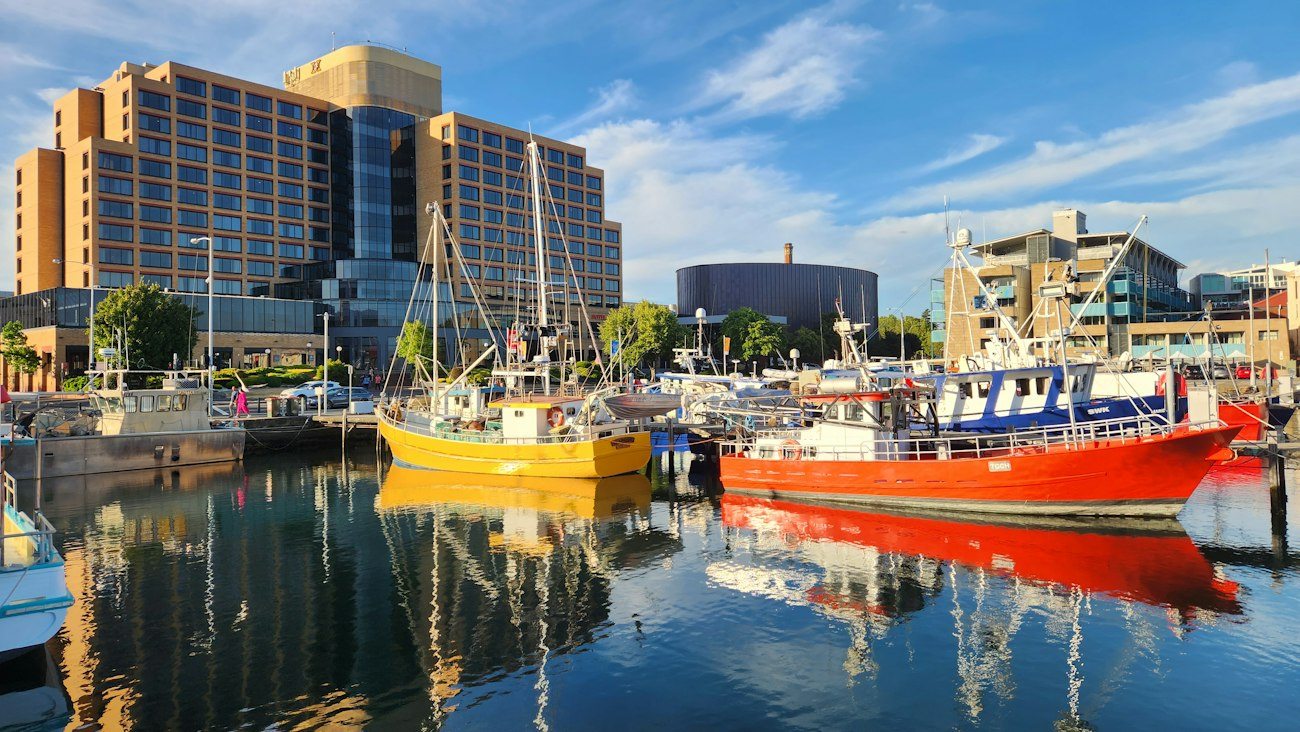
For a family arriving in Hobart, four nights in the city area and three in one east-coast base can offer more usable holiday time than a full island circuit. In Hobart, alternate a substantial museum or organised outing with a lighter waterfront and park day. On the coast, choose one suitable national-park outing and keep another day for the beach, town and ordinary rest.
This version deliberately omits the west coast and Cradle Mountain. If mountains are the main family interest, replace the coastal stay with a northern or mountain-focused route and reassess the departure airport. The useful lesson is to exchange a region rather than add it. A child who enjoys one place for several mornings is not missing out simply because the map contains more destinations.
Accommodation is part of the itinerary
Compare sleeping arrangements, heating, laundry and a place for wet shoes. A kitchen can simplify breakfast and dinner after an outdoor day, but check that the setup is adequate for actual meals. Buy supplies before arriving at a rural property.
A separate sleeping space may matter more than a view. Ask about stairs, cot arrangements or other practical needs directly with the property. Choose a location where an early dinner is achievable without a long evening drive.
Choose the walk the youngest traveller can enjoy
Read official route descriptions for steps, surface and exposure rather than choosing by distance alone. The Wineglass Bay lookout is uphill; a mountain circuit at Cradle is different from a short forest path. Match the walk to the group and the day's conditions.
Build in time to stop and notice things. A child interested in a stream or tree is already engaging with the place. Carry snacks, water and layers so those pauses are comfortable, and make turning around an ordinary option rather than a failure.
Use transfers as simple days
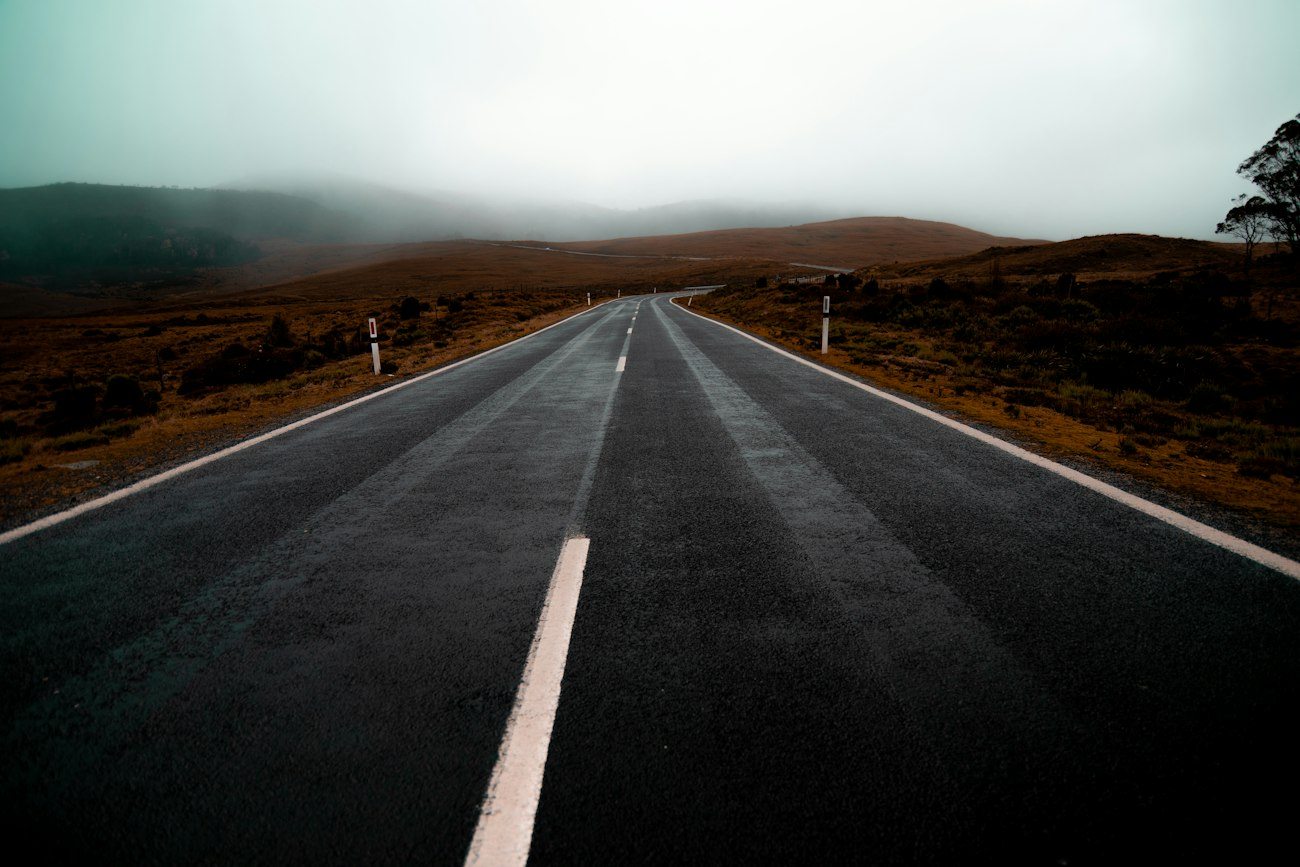
On a longer drive, select one planned break with toilets and food or space to move. Adding several paid attractions can make arrival late and everyone tired. Keep the final part of the drive particularly straightforward.
If arriving by ferry, judge the first day's ambition by how well everyone slept. If flying, allow for luggage and rental-car collection before promising an afternoon activity. A quiet arrival day creates a better foundation for the rest of the trip.
Keep a real wet-weather plan
Choose an indoor option near each base and check its opening calendar before travelling. A museum, creative activity or relaxed café can provide a satisfying half-day without a long drive to escape rain. Keep some unbooked time so the outdoor highlight can move.
Do not guarantee wildlife sightings or snow. Organise the day around experiences you can offer reliably, while treating natural surprises as a bonus. The most useful family itinerary is one that still feels like a holiday when a walk is shortened or a beach afternoon becomes a town day.