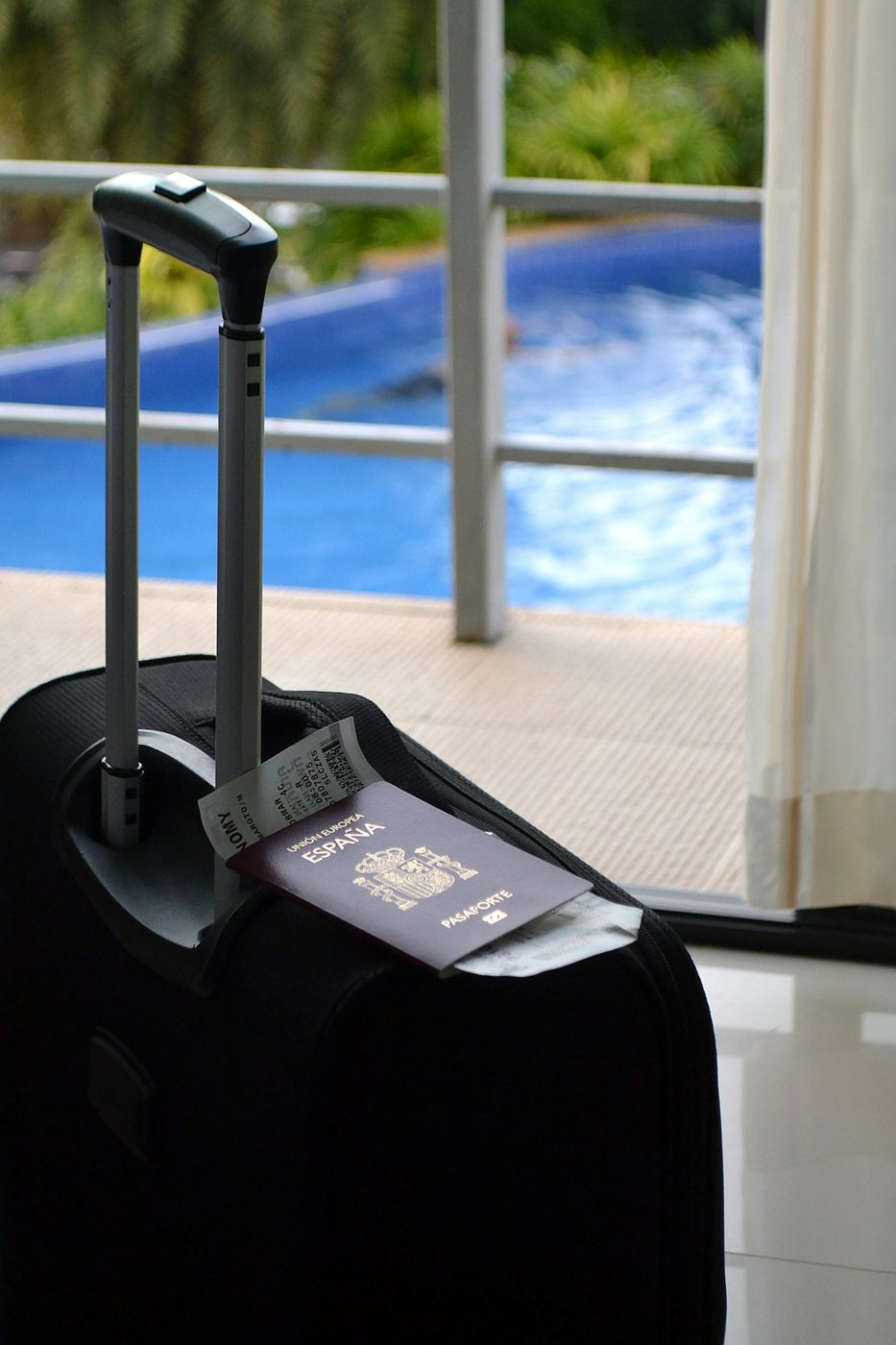
Start with the non-negotiable dates
Write down the dates that cannot move: international travel, an event you are attending or a particular experience central to the holiday. These determine the outline. Check that the related accommodation and transport can work together before buying one piece that forces awkward choices elsewhere.
Use official sources for entry and travel requirements relevant to your circumstances. This guide is about organising reservations, not determining eligibility. Keep those checks separate from sightseeing research so that an appealing itinerary does not distract from the practical steps needed to travel.
Reserve the first arrival and the final departure
Arrange the first accommodation with a clear arrival procedure, especially after a long flight. Knowing where to go allows you to deal with the ordinary uncertainties of arrival without also shopping for a room. Check the route from the airport and the timing of any desk or transfer you intend to use.
At the other end, make sure your final base supports the departure comfortably. A scenic last night is less useful if it requires a fragile sequence of connections to reach the airport. Put the final transfer into the itinerary before deciding how much sightseeing fits on the last day.
Identify the scarce parts of the middle
Some arrangements have fewer substitutes than others: a specific room layout, an island transfer, a small-group departure or accommodation in a remote area. Investigate these early and confirm the terms that matter to you. Availability should be checked for your dates rather than inferred from a general destination page.
Where weather affects an activity, understand rescheduling and cancellation arrangements. If the experience is a priority, leave another possible day in the same area. A spare day cannot guarantee a departure, but it can make the route less dependent on a single opportunity.
Keep transport and rooms in sequence
Do not book a remote room before establishing how you will reach it. Check rental collection and return arrangements, public transport or guided transfers as part of the accommodation decision. For a multi-stop route, examine the full sequence before finalising the first appealing deal.
Record cancellation deadlines and any advance tasks in one place. A simple list with the booking reference, date, provider and outstanding action is enough. Separate confirmed reservations from ideas so that another person looking at the plan can tell which arrangements actually exist.
Leave the easy choices open
Ordinary neighbourhood walks, casual meals and many self-directed city days can remain flexible. Research a few suitable options without turning each into a commitment. If a particular restaurant or exhibition matters greatly, make that an intentional exception rather than automatically booking every meal and hour.
Before departure, review the route as a traveller rather than as a collector of confirmations. Can you arrive at each booking comfortably? Is there time for food, rest and everyday tasks? The right amount of advance booking protects the experiences you care about while leaving enough space to enjoy the trip around them.